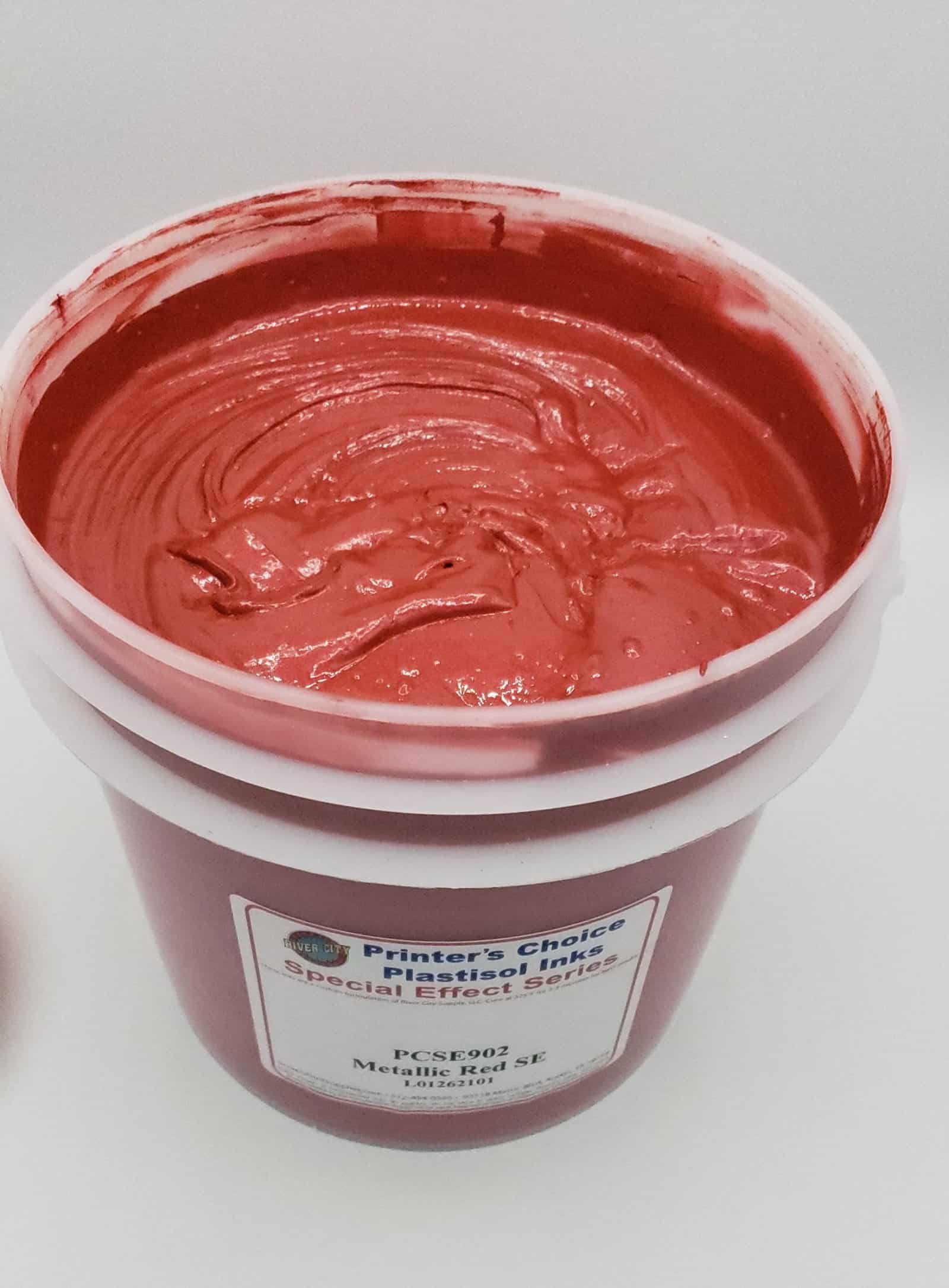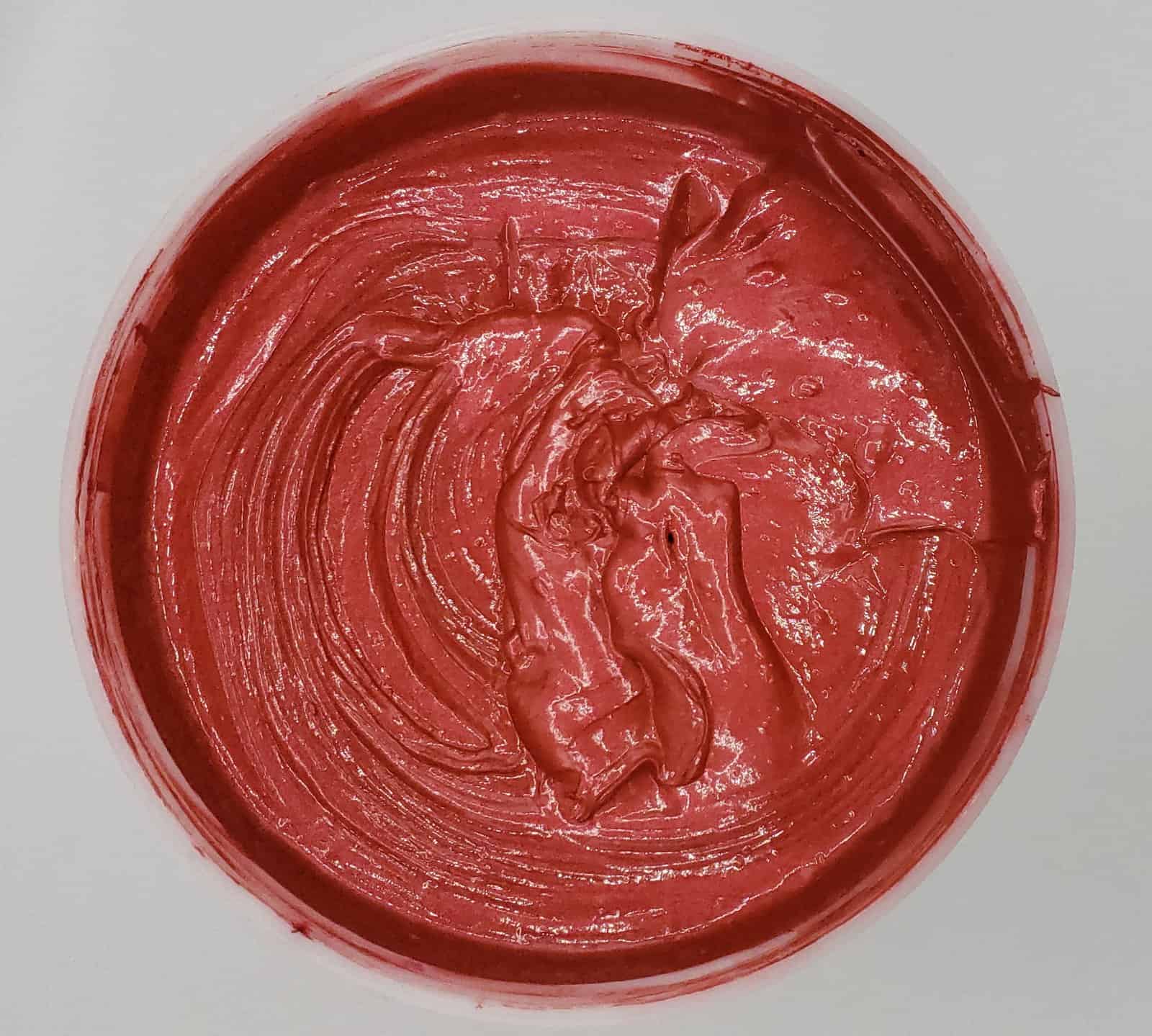
Inktek Metallic Red Plastisol Ink – Vibrant Premium Metallic Screen Printing Ink

Printers Choice

Inktek Metallic Red is a non-phthalate metallic plastisol ink producing a bold, saturated red metallic finish with strong opacity and high-energy visual impact. Red is one of the most printed team and school colors in the country — Metallic Red delivers the premium metallic version for athletic programs that have made the move to metallic inks, as well as holiday and seasonal printing, brand merchandise, and fashion apparel.

Bold Red Metallic Finish

Non-Phthalate Formula

Top Athletic & Team Color

Ready to Use

86–110 Mesh

Cure at 320°F

Same-Day Shipping Before 3:30 PM CTFree shipping on orders $200+  |  (512) 454-0505

$125.99

Description

Inktek Metallic Red Non-Phthalate Plastisol Ink – Bold Red Metallic for Screen Printing

Inktek Metallic Red is a non-phthalate metallic plastisol ink producing a bold, saturated red metallic finish with strong opacity and high-energy visual impact. Red is one of the most printed team and school colors in the country — Metallic Red delivers the premium metallic version for athletic programs that have made the move to metallic inks, as well as holiday and seasonal printing, brand merchandise, and fashion apparel.

Available in Quart, Gallon, and 5-Gallon. Non-phthalate. Stir thoroughly before use.

Authorized Inktek Distributor Since 2008

17+ Years Screen Printing Supply

Trusted by Production Shops Nationwide

San Antonio Warehouse — Same-Day Shipping Before 3:30 PM CT

Is This the Right Ink for Your Job?

Use This When You Want…

Printing red school colors or team spirit apparel

Christmas, Valentine’s Day, or red-themed seasonal event printing

Athletic uniforms with red as a primary team color

Brand merchandise for red-primary brand color systems

Consider Something Else If You Need…

Need magenta or pink-red (see Metallic Magenta or Fuchsia)

Need orange-red tones (blend Red + Orange for custom warm-red)

Key Features

Bold Red Metallic
Saturated, high-intensity red metallic with strong sheen. One of the most universally recognizable team and brand colors — now available in a premium metallic finish.
Non-Phthalate Compliance
Phthalate-free formula for school programs, retailer requirements, children’s apparel, and compliance-sensitive production.
Athletic Team Color Standard
Red is among the top 3 most common US school and team colors. Metallic Red for jersey graphics, spirit wear, and team merchandise delivers premium metallic over standard red plastisol.
Holiday & Seasonal Powerhouse
Christmas, Valentine’s Day, and virtually every holiday with a red association benefits from metallic red — the sheen elevates seasonal prints to premium positioning.
Mix for Custom Red Tones
Blend with Metallic Orange for warm brick-red. Blend with Metallic Magenta for raspberry and cherry tones. Custom warm-spectrum metallic blends.
Ready to Use
Stir thoroughly and print directly from the container.
Pairs Best With
Red + Silver/Chrome is a classic two-color athletic metallic combination
Red + Gold is a powerful team color and holiday metallic pairing

Red Metallic in Athletic, Holiday & Brand Screen Printing

School Colors & Athletic Team Wear
Red is one of the most common school colors in the US, appearing in programs at every level. Metallic Red for jersey numbers, team name graphics, and spirit wear produces a premium metallic result that standard red plastisol simply cannot match.
Holiday & Seasonal Apparel
Christmas, Valentine’s Day, Lunar New Year, and other red-centered holidays generate significant specialty print volume. Metallic red in seasonal designs elevates the perceived value of the product and supports premium pricing.
Brand Merchandise for Red-Primary Brands
Many of the world’s most recognized brands use red as their primary color. Metallic Red for branded apparel and merchandise creates metallic brand color alignment — particularly effective for food, entertainment, sports, and consumer brand programs.

Step-by-Step Press Guide

1
Stir Thoroughly from Bottom
Metallic pigment particles settle quickly. Stir vigorously from the very bottom of the container before printing. The ink should look uniform in color and sheen throughout.
2
Set Up 86–110 Mesh Screen
Use 86 mesh for maximum metallic coverage. Use 110 mesh for designs requiring sharper detail edges. Do not use finer mesh — insufficient ink deposit reduces metallic sheen significantly.
3
Optional: White Underbase on Dark Garments
For dark garments, print and fully cure a white underbase first. Metallic colors are semi-opaque — white base dramatically improves color accuracy and sheen brightness.
4
Print with Firm, Even Squeegee Pressure
Use 65–70 durometer squeegee. Consistent pressure and angle across all print strokes is essential for even metallic coverage.
5
Re-Stir Every 15–20 Minutes
Metallic particles settle during extended runs. Re-stir the container every 15–20 minutes for consistent sheen throughout production.
6
Cure at 320°F — Verify at Garment Surface
Use a temperature strip or donut probe at the garment surface — not dryer air temperature. Metallic particles affect heat absorption.
7
Wash Test Before Production Release
Print a test garment, fully cure, run 3–5 wash cycles. Metallic sheen should be unchanged after washing.

Troubleshooting Guide

Common issues, their most likely causes, and how to fix them before your next production run.

SymptomLikely CauseFix
Metallic sheen looks dull immediately after printingInk particles not suspended — not stirred from bottomStir container vigorously from the bottom until uniform sheen is visible throughout, reload and reprint.
Metallic sheen disappears after 1–2 washesUnder-cure — most common causeVerify 320°F at garment surface with temp tape. Increase dwell time. Run 3–5 wash cycles to confirm before full production.
Metallic coverage patchy or streakyInconsistent squeegee pressure or particles settled in screenMaintain consistent squeegee angle and pressure. Re-stir ink container every 15–20 minutes.
Color looks different on dark garmentsDark garment color influencing metallic hueUse a fully cured white underbase — garment color significantly affects metallic appearance.
Color less vibrant than sample imageGarment substrate or partial cure effectVerify full cure at 320°F garment surface. Test on your specific garment substrate before production.
Ink not flowing well through screenInk too cold or particles not suspendedAllow ink to reach room temperature. Stir thoroughly from the bottom.

Which Size Is Right for Your Shop?

Plastisol ink yield varies by mesh count, coverage area, and garment substrate. Use this guide as a starting benchmark — actual yield may differ based on your specific setup.

SizeApprox. Yield*Best For
Quart (32 oz)400–600 standard printsTesting new colors, short-run specialty jobs, small shops with diverse color needs
Gallon (128 oz)1,500–2,500 standard printsProduction shops running this color regularly, mid-volume seasonal runs, in-stock working inventory
5 Gallon (640 oz)7,500–12,000 standard printsHigh-volume production, team wear programs, contract printing, shops where this is a primary working color

*Yield estimates based on standard left-chest size print at 110 mesh. Large-format prints, specialty effects inks, and heavy ink deposits will yield fewer prints per container. Specialty inks (metallics, glow, puff) typically yield fewer prints than standard plastisol due to lower mesh counts and heavier deposits required.

What You’ll Also Need

Everything else required to get this ink from the container to the garment — shop these categories at River City Supply.

86–110 mesh for metallic plastisol inks — coarser mesh deposits more ink for stronger metallic sheen
65–70 durometer for metallic inks — firm enough for adequate deposit without excess pressure
Dual-cure emulsion for your mesh and exposure setup
Flash dryers and conveyor dryers — full 320°F cure is essential for metallic sheen durability
Hold garments in registration during printing
Screen wash to clean up metallic plastisol between runs

How to Wash Test Metallic Plastisol Prints

Run a wash test any time you change ink, mesh, garment type, or dryer settings. Full cure is the most critical factor for metallic ink durability — under-cured metallics dull and delaminate quickly.

Step 1 — Cure a Test Print
Print and cure a test garment at your production dryer settings. Let cool completely before washing.
Step 2 — Wash Hot
Machine wash on the hottest setting with standard detergent. Hot water is the stress test — if it holds here, it holds everywhere.
Step 3 — Repeat 3–5 Cycles
Run 3–5 full wash/dry cycles. Properly cured metallic prints retain full sheen. Under-cured prints dull or peel within the first 1–3 washes.
Step 4 — Inspect
Check for: sheen loss, cracking, peeling, or ink loss. Metallic sheen should be unchanged. Stretch the print firmly — no cracking or delamination indicates proper cure.
Metallic sheen dulling after wash = under-cure. Use a donut probe or temp tape on the actual garment surface to verify cure temperature — not dryer air temp. Metallic particles can reflect heat differently than standard plastisol. Increase dwell time and retest.
Stir Before Every Print Run
Metallic particles settle in storage. Stir from the bottom before printing.
Verify Cure on Garment Surface
Use temp tape or probe at garment level to confirm 320°F — metallic particles can affect heat reading.
Questions about this product?
Call (512) 454-0505 or email [email protected] — Mon–Fri 9am–5pm CT
River City Supply · Authorized Inktek Distributor Since 2008

Technical Specifications

Technical Specifications

Product Information
Product NameInktek Metallic Red Non-Phthalate Plastisol Ink
BrandInktek (Printers Choice)
TypeMetallic plastisol ink — ready to use
FormulaNon-phthalate
Available SizesQuart, Gallon, 5 Gallon
Printing Parameters
Recommended Mesh86–110 mesh for full metallic coverage
Squeegee Durometer65–70 durometer
Press TypeManual and automatic presses
Dark GarmentsWhite underbase recommended for maximum metallic brightness
Pre-PrintStir thoroughly from the bottom before every print run
Curing
Cure Temperature320°F (160°C)
Cure Time60 seconds at full cure temperature
Critical NoteFull cure is essential for metallic sheen durability — verify with temp strip on garment surface, not dryer air temp
Compliance
Phthalate StatusNon-phthalate formula
Suitable ForApplications requiring phthalate-free plastisol compliance
Storage
Storage TemperatureRoom temperature — avoid freezing and prolonged heat above 100°F
Shelf LifeApproximately 2 years from manufacturing date when stored properly
SettlingMetallic particles settle in storage — normal; stir thoroughly before use
Documents
Safety Data SheetInktek SDS (PDF)

Technical Sheets / Safety Data Sheets / Documents

FREQUENTLY ASKED QUESTIONS

Frequently Asked Questions

Do I need an underbase for red metallic on dark garments?
For most dark garments, a white underbase significantly improves the brightness and clarity of the metallic red. Metallic inks have reasonable opacity and can sometimes print direct on dark fabrics, but the white base reflects the metallic sheen upward rather than letting the dark fabric absorb it. Test both approaches on your specific garment and decide based on the opacity result.
Why is my metallic print dulling after washing?
Dulling metallic prints after washing are almost always the result of under-cure. The metallic pigment particles need to be fully encapsulated in the cured plastisol film for wash-durable sheen. Check your actual garment surface temperature with a donut probe or temp tape — not the dryer air temperature. Metallic particles can reflect heat differently than standard plastisol, so even a correctly-calibrated dryer may under-cure metallics if you are relying on air temperature alone. Increase dwell time and retest with a wash test before releasing production.
How do I store metallic ink between uses?
Store at room temperature in the sealed container. Avoid freezing (damages the plastisol binder) and prolonged storage above 100°F. Metallic particles will settle to the bottom of the container during storage — this is normal and does not indicate a problem with the ink. Stir thoroughly from the bottom before each use to re-suspend particles uniformly. Properly stored Inktek plastisol inks have a shelf life of approximately 2 years from the manufacturing date.
Can I mix this metallic with other colors in the series?
Yes — Inktek metallic inks in this non-phthalate series are compatible with each other and can be blended to create custom metallic tones. Mixing red metallic with other colors in the series produces intermediate metallic shades. Blend by weight and test print before running production. Note that adding non-metallic plastisols in significant amounts will reduce the metallic sheen — for best metallic results, blend only within the metallic series.
What mesh count should I use?
86–110 mesh is the standard range for this metallic ink. 86 mesh deposits the heaviest ink film and produces the most intense, opaque metallic surface — best for large fill areas and dark garments. 110 mesh balances coverage with detail for logos and text elements. Avoid going above 160 mesh, as the thinner ink deposit produces significantly less metallic sheen. For fine-line detail work requiring higher mesh, test to confirm acceptable metallic character at your required mesh count.
Is this a non-phthalate ink — why does it matter?
Yes — the entire Inktek metallic series is formulated without phthalate plasticizers. Phthalate-free status matters for school district purchasing requirements, major retailer compliance programs (Walmart, Target, etc.), children’s apparel regulations under CPSIA, and export markets with phthalate restrictions. If your production involves any of these compliance-sensitive applications, specifying non-phthalate metallic plastisol is either required or strongly recommended.
Still have questions?
(512) 454-0505  ·  [email protected]  ·  Mon–Fri 9am–5pm CT

Reviews

Reviews

    Only logged in customers who have purchased this product may leave a review.

    You May Also Like

    Additional Options