Chromaline UDC-2 Diazo Dual Cure Screen Printing Emulsion – High-Definition Dual Cure Emulsion for Plastisol & Solvent Inks
Chromaline
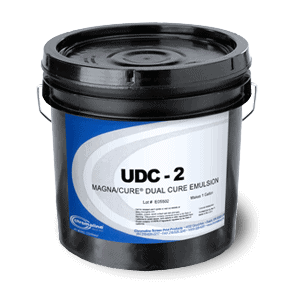
Chromaline UDC-2 (Magna/Cure) is Chromaline’s best-selling dual-cure emulsion of all time. It hits a sweet spot that a wide range of screen printers need: fast exposure, excellent line definition and halftone holding, and compatibility with plastisol, solvent, and UV-curable inks — all in one emulsion that works for both textile and graphic applications. The diazo sensitizer is included. At 3,500 CPS, its lower viscosity makes it particularly effective on finer mesh counts where halftone accuracy and fine-line resolution matter most.
Proven across decades in textile and graphic screen printing
3,500 CPS — flows cleanly into fine mesh for crisp detail
Dual-cure chemical resistance across multiple ink systems
No separate sensitizer purchase required
Versatile enough for both printing disciplines
Faster than diazo-only emulsions — dual-cure speed advantage
Price range: $50.74 through $4,013.00
Description
Chromaline’s Best-Selling Dual-Cure — UDC-2
UDC-2 didn’t become Chromaline’s best-selling dual-cure by accident. It hits the exact combination most screen printers need: photopolymer exposure speed, dual-cure chemical resistance for solvent and UV-curable inks, excellent halftone and line holding at 3,500 CPS, and broad compatibility across both textile and graphic applications. Mix the included diazo packet, wait 30 minutes for de-gas, and you’re coating. The result is a crisp, well-defined stencil with the chemical durability to handle demanding solvent and UV ink systems.
What Makes a Dual-Cure Different
Dual-cure emulsions contain both a photopolymer component and a diazo sensitizer. The photopolymer provides faster exposure and good resolution; the diazo cross-links for chemical resistance. The combination delivers more versatility than a pure photopolymer and faster exposure than diazo-only emulsions.
3,500 CPS — Fine Detail Advantage
UDC-2’s lower viscosity flows cleanly into fine mesh openings, producing a uniform stencil wall that holds halftone dots and fine lines with high fidelity. If you’re running high mesh counts for detailed graphic work or tight halftone jobs, UDC-2’s viscosity is a performance advantage over higher-viscosity alternatives.
Graphic + Textile — True Versatility
UDC-2’s resolution, chemical resistance, and ink system compatibility make it effective for both textile plastisol printing and graphic applications using solvent or UV-curable inks. Shops running both disciplines can standardize on a single emulsion without compromising either.
UDC-2 vs. UDC-HV
Both are dual-cures with the same ink compatibility. UDC-2 (3,500 CPS) excels on fine mesh and halftone detail. UDC-HV (5,300 CPS) coats low and high mesh counts more uniformly and is more forgiving across varied shop conditions. UDC-HV is Chromaline’s most popular dual-cure overall; UDC-2 is the choice when resolution and detail are the priority.
What You Receive
Chromaline Full Emulsion Line — Find Your Match
| Emulsion | Type | Ink Compatibility | Exposure | Best For |
|---|---|---|---|---|
| ChromaBlue ↗ | Pure Photopolymer (SBQ) | Plastisol | Very Fast | High-volume plastisol, LED shops |
| ChromaLime ↗ | Pure Photopolymer (SBQ) | Plastisol | Very Fast | Inkjet positives, humidity, registration |
| Hydro X Blue ↗ | Hybrid Photopolymer | Plastisol, WB, Discharge | Very Fast | All-purpose, water-based/discharge |
| Hydro X Red ↗ | Hybrid Photopolymer | Plastisol, WB, Discharge | Very Fast | Halftone/fine detail, LED units |
| CP-Tex ↗ | Diazo | Plastisol, WB, Discharge | Moderate | High-run WB/discharge durability |
| UDC-2YOU ARE HERE | Dual-Cure | Plastisol, Solvent, UV | Fast | Graphic + textile, halftone detail |
| UDC-HV ↗ | Dual-Cure | Plastisol, Solvent, UV | Fast | All mesh counts, forgiving shops |
| GSR ↗ | Pure Photopolymer (SBQ, solvent-resistant) | UV, Solvent, Plastisol | Fast | UV/solvent inks, freeze/thaw stable |
| Chromaline PL ↗ | Pure Photopolymer (SBQ) | Plastisol | Very Fast | High-build plastisol, thick deposits |
Technical Specifications
Chromaline UDC-2 — Technical Specifications
| Specification | Value / Detail |
|---|---|
| Emulsion Type | Dual-Cure (diazo + photopolymer) |
| Color | Blue |
| Viscosity | 3,500 CPS |
| Pre-Sensitized | No — diazo sensitizer must be mixed in before use |
| Sensitizer Required | Diazo sensitizer (included in box) |
| Compatible Ink Systems | Plastisol, Solvent, UV-Curable |
| Exposure Speed | Fast |
| Exposure Unit Compatibility | LED and traditional metal halide / UV fluorescent |
| Sensitized Shelf Life | 4–6 weeks (refrigerate after mixing) |
| Unsensitized Shelf Life | 24 months at room temperature |
| Freeze/Thaw Stability | NOT freeze/thaw stable — frozen emulsion is permanently damaged |
| Recommended Coating | 1+1 (one coat squeegee side, one coat print side) |
| Screen Yield — Quart | ~20–25 screens (based on standard 1+1 coating) |
| Screen Yield — Gallon | ~80–100 screens (based on standard 1+1 coating) |
| Screen Yield — 3.5 Gallon | ~280–350 screens (based on standard 1+1 coating) |
| Reclaim Chemistry | Chroma/Strip emulsion remover; Chroma/Haze for ghost stain removal |
| Manufacturer | Chromaline Corporation |
| Distributed By | River City Supply — Authorized Chromaline Distributor since 2008 |
Screen yield estimates based on standard 1+1 coating; actual yield varies with mesh count and frame size. Always run a step wedge exposure test to calibrate your specific exposure unit.
Technical Sheets / Safety Data Sheets / Documents
FREQUENTLY ASKED QUESTIONS
Frequently Asked Questions — Chromaline UDC-2
What does “dual-cure” mean for UDC-2?
Dual-cure means UDC-2 uses both diazo and photopolymer sensitizers working together. The diazo component provides excellent exposure latitude and durability; the photopolymer component adds resolution and chemical resistance. You mix the included diazo sensitizer into the emulsion before first use, then UDC-2 is ready to coat.
Is the diazo sensitizer included with UDC-2?
Yes — the diazo sensitizer is included in every container of UDC-2. You do not need to purchase it separately. Mix the sensitizer into the emulsion, allow a 30-minute de-gas rest, and then coat. Once mixed, the sensitized emulsion should be stored in a cool, dark location and used within 4–6 weeks.
What ink systems is UDC-2 compatible with?
UDC-2 is compatible with plastisol, solvent-based, and UV-curable inks. It is not recommended for water-based or discharge ink systems — for those, look at Chromaline’s Hydro X Blue or Hydro X Red, which are engineered specifically for water-based and discharge applications.
What is the viscosity of UDC-2 and why does it matter?
UDC-2 has a viscosity of 3,500 CPS — a standard working viscosity suited for most mesh counts and coating setups. It flows smoothly through the scoop coater and self-levels well. The sister product UDC-HV has a higher viscosity (5,300 CPS), which is better for coarser mesh counts or shops that need a thicker emulsion deposit.
How long does UDC-2 last after mixing the diazo?
Once the diazo sensitizer is mixed in, UDC-2 should be used within 4–6 weeks when stored in a cool, dark location. Unmixed (unsensitized), the shelf life is 24 months at room temperature. Mix only what you plan to use in the near term — refrigeration after mixing can extend pot life slightly.
Is UDC-2 freeze/thaw stable?
No — UDC-2 is NOT freeze/thaw stable. Frozen emulsion is permanently damaged and unusable. River City Supply ships from San Antonio, Texas, which has a significantly warmer winter climate than most of the country, giving us more safe shipping days for freeze-sensitive products during cold weather months.
What exposure unit works with UDC-2?
UDC-2 is compatible with both LED exposure units and traditional metal halide / UV fluorescent units. As a dual-cure emulsion, it has a broader exposure latitude than pure photopolymers, which means it is more forgiving of slight over- or under-exposure. Always run a step wedge test to dial in your specific unit.
I’m having emulsion problems. Where can I get help?
Visit our emulsion troubleshooting guide at screenprintsupplies.com/emulsion-troubles/ for coverage of pinholes, exposure issues, washout problems, and stencil breakdown. You can also reach our team at (512) 454-0505 or [email protected].
Questions? We’re here to help.
(512) 454-0505 | [email protected] | Same-day shipping before 3:30 PM CT
Reviews
Only logged in customers who have purchased this product may leave a review.
You May Also Like
Related products
-

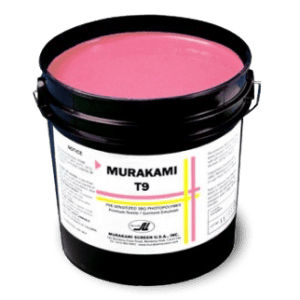
Murakami T9 Pink Emulsion – High-Performance Photopolymer Screen Printing Emulsion for Water-Based, Discharge, HSA & Plastisol Inks
Price range: $29.99 through $3,150.00 -
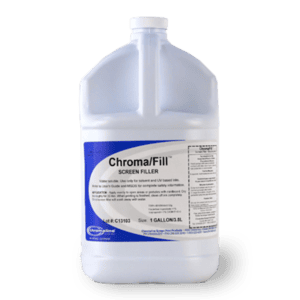
Chromaline Chroma/Fill Blockout – High-Visibility Screen Blockout for Precision Screen Printing
$34.99 -
Murakami 901 Blockout Red – Fast-Drying Screen Blockout for Professional Screen Printing
$43.86 -
SAATI Textil PHU 2 Emulsion – Durable Dual-Cure Emulsion for Solvent, Water-Based, Discharge, HSA & Plastisol Inks
$85.00
Reviews