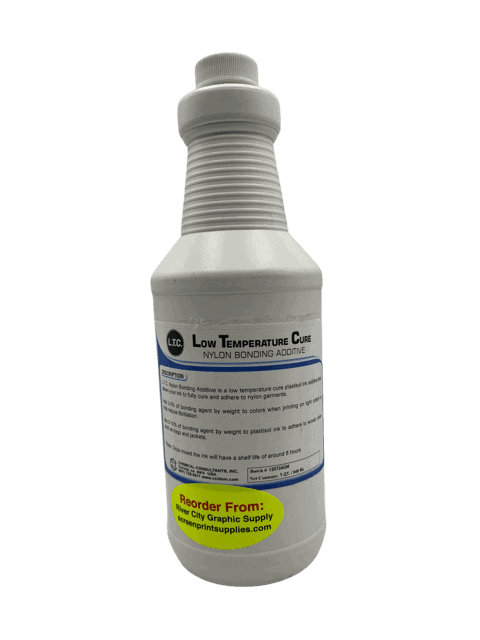
CCI L.T.C. Nylon Bonding Additive – Low-Temperature Cure Additive for Plastisol Inks

CCI
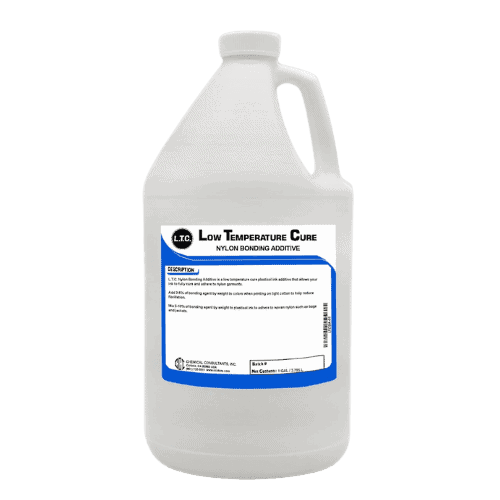
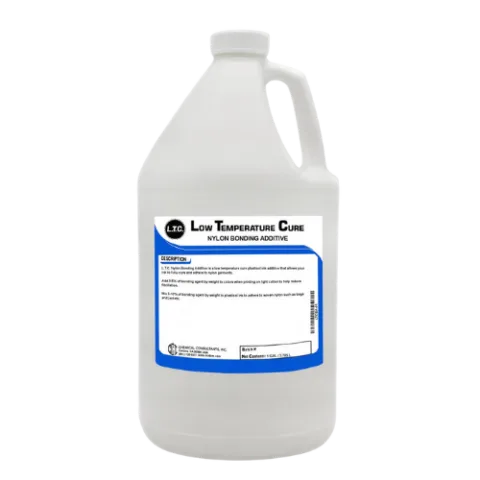
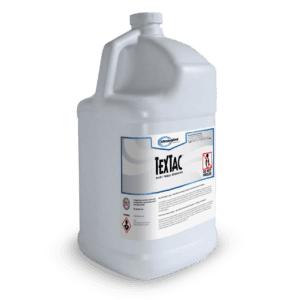
CCI L.T.C. (Low Temperature Cure) Nylon Bonding Additive enables reliable screen printing on nylon and difficult synthetic substrates that standard plastisol simply cannot bond to. Nylon’s smooth, non-porous surface provides almost no mechanical grip for plastisol. This additive introduces bonding chemistry that creates adhesion between the cured plastisol and the nylon fiber surface while simultaneously reducing cure temperature to prevent fabric distortion and melting.

Nylon Adhesion Chemistry

Low-Temp Cure ~270°F

Mix 5–10%

Nylon Bags & Jackets

Caps & Synthetic Substrates

CCI Formulation

Same-Day Shipping Before 3:30 PM CTFree shipping on orders $200+  |  (512) 454-0505

Price range: $44.99 through $159.99

Description

CCI L.T.C. Nylon Bonding Additive – Make Plastisol Stick to Nylon Bags, Jackets & Caps

CCI L.T.C. (Low Temperature Cure) Nylon Bonding Additive enables reliable screen printing on nylon and difficult synthetic substrates that standard plastisol simply cannot bond to. Nylon’s smooth, non-porous surface provides almost no mechanical grip for plastisol. This additive introduces bonding chemistry that creates adhesion between the cured plastisol and the nylon fiber surface while simultaneously reducing cure temperature to prevent fabric distortion and melting.

Available in Quart and Gallon. Mix into standard plastisol inks at 5–10% by weight for nylon and difficult synthetic printing.

Is This the Right Product for Your Job?

Use This When You Need To…

Printing on nylon tote bags, backpacks, or drawstring bags

Printing on nylon athletic jackets or windbreakers

Standard plastisol is peeling off the fabric after washing

Printing on other smooth synthetic substrates with adhesion problems

Not the Right Fit If You Are…

Cotton garments — standard LB inks work perfectly

Polyester-cotton blends — use LBX inks instead

Any substrate where standard plastisol bonds reliably

Key Features

Pairs Best With
Mix CCI LTC into standard LB colors — works with most general-purpose plastisols

How to Get Plastisol to Stick to Nylon Bags, Jackets & Caps

Nylon Tote Bags & Backpacks
Screen printing on nylon tote bags, drawstring backpacks, and promotional bags is a common requirement for branded merchandise programs. Standard plastisol peels off nylon within a few uses. Add 5–10% CCI LTC and reduce dryer settings to print nylon bags that hold up to repeated use and washing.
Nylon Athletic Jackets & Windbreakers
Team jackets, wind-resistant shells, and athletic outerwear frequently use nylon or nylon-blend fabrics. Printing team names, numbers, and sponsor logos requires adhesion chemistry. CCI LTC enables reliable plastisol printing on nylon jacket panels without fabric damage from heat.
Caps & Structured Hat Panels
Many structured caps use nylon panels or nylon-coated components. When screen printing on cap panels, CCI LTC provides the adhesion needed for durable prints that hold up to normal wear and the flex stress of a structured cap panel.

Mix Ratio Calculator

Enter your ink weight, then select your target ratio to see exactly how much CCI L.T.C. Nylon Bonding Additive to add.

Select a ratio above to calculate.

Complete Inktek Plastisol Additives — Find the Right Product for Your Job

River City Supply stocks the full Inktek SE additive line. Use the guide below to choose the right product for your specific application.
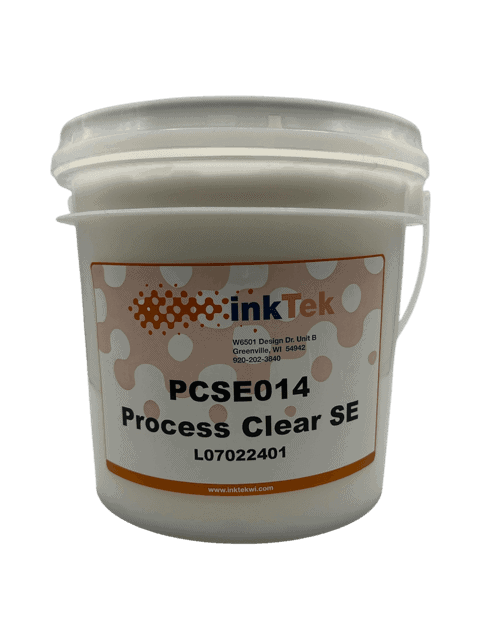
Process Clear

Soft-hand extender & transparent base
Best for: 4-color process, halftone, fashion soft-hand

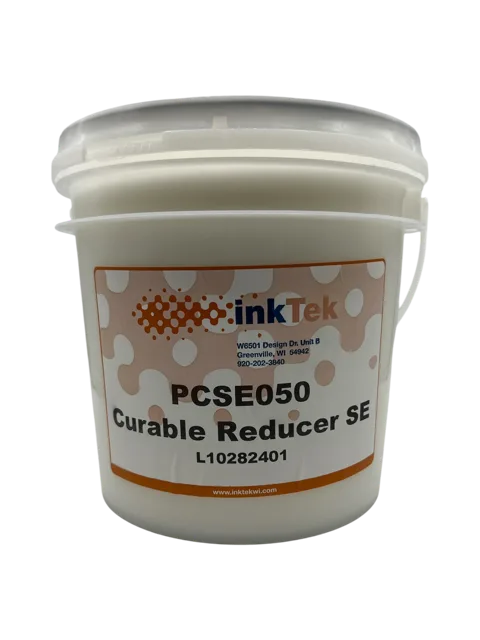
Curable Reducer

Pure viscosity reducer with de-tacking agents
Best for: Auto presses, thick inks, wet-on-wet printing

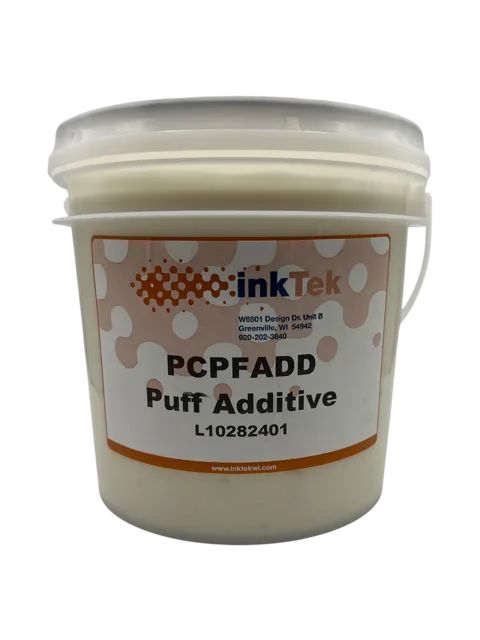
Puff Additive

Creates raised 3D textured prints
Best for: Logos, varsity lettering, fashion texture

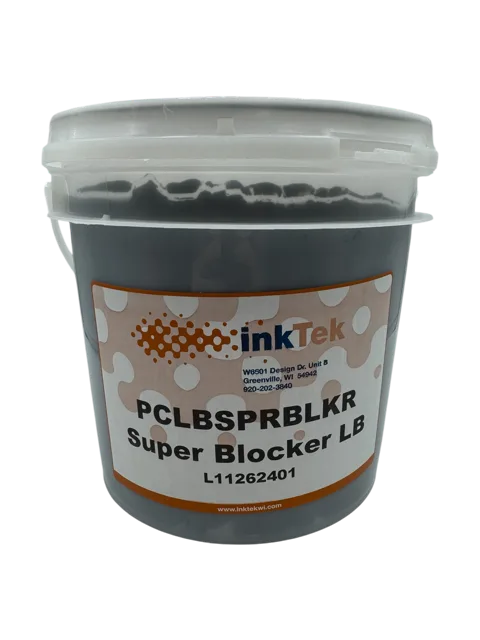
Gray Super Blocker

Dye migration barrier underbase for polyester
Best for: Polyester, 50/50 blends, poly-cotton

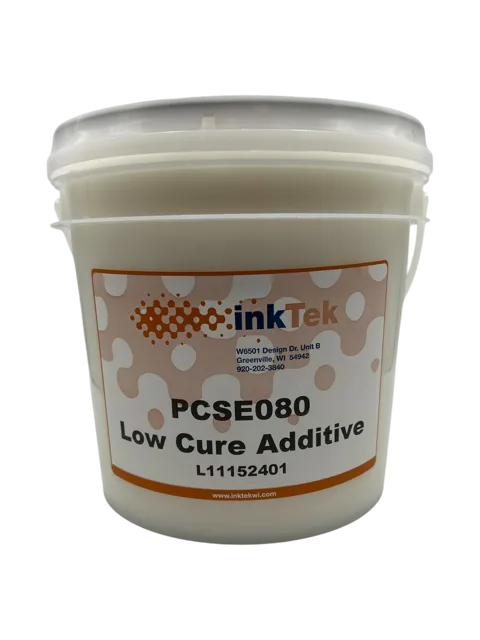
Stretch & Low Cure

Flexibility additive & low-temp cure
Best for: Athletic wear, spandex, tri-blends

Fashion Base

High-clarity soft-hand color mixing base
Best for: Fashion printing, custom color mixing

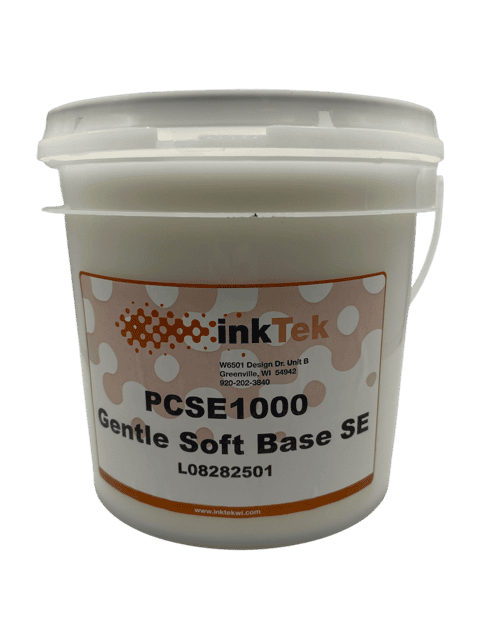
Gentle Soft Base

Ultra-soft low-viscosity base
Best for: Premium cotton, ringspun, lightweight tees

CCI Nylon Bonding

Low-temp cure bonding additive for nylon
Best for: Nylon bags, jackets, caps, synthetics

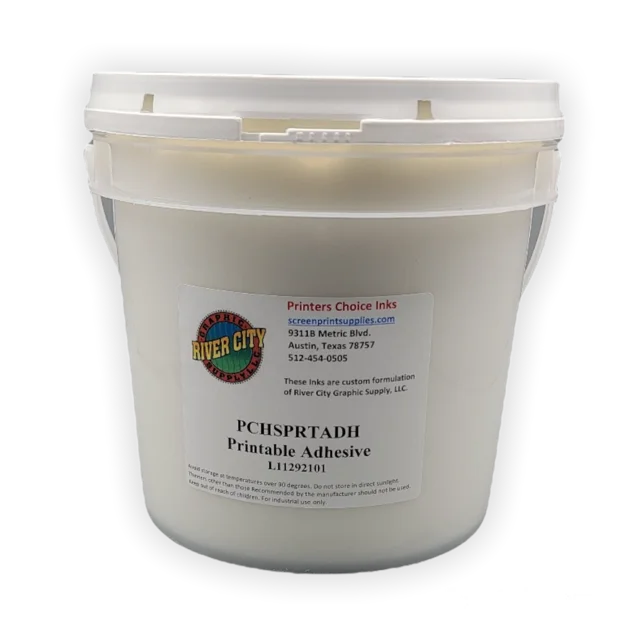
Printable Adhesive

Screen-printable adhesive for foil & flock
Best for: Foil transfer, flock application

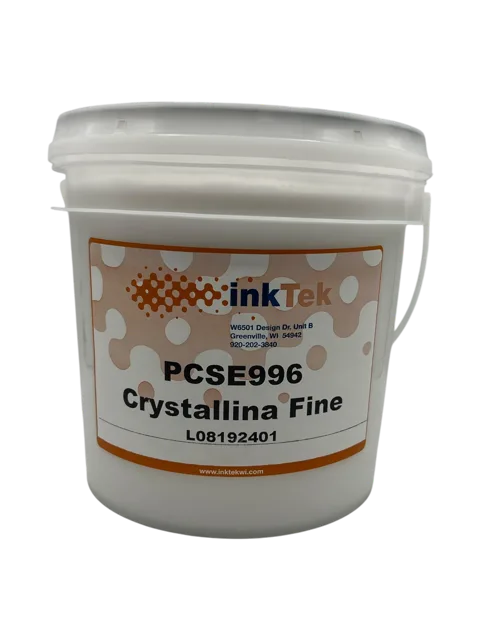
Crystalina Fine Flake

Fine metallic flake sparkle plastisol
Best for: Fashion garments, subtle shimmer effects

How to Wash Test Plastisol Prints

Every time you change your ink formula, mix ratio, dryer settings, or substrate — run a wash test before releasing production. This is the only definitive check for cure integrity and wash durability.

Step 1 — Cure a Test Print
Print and cure a test garment at your production dryer settings. Let cool completely before washing.
Step 2 — Wash Hot
Machine wash on the hottest setting with standard detergent. Hot water is the stress test — if it holds here, it holds everywhere.
Step 3 — Repeat 3–5 Cycles
Run 3–5 full wash-and-dry cycles. Under-cured prints typically fail within the first 3 washes. Properly cured prints show no change.
Step 4 — Inspect
Look for: cracking, peeling, delamination, color fade, or ink loss. A properly cured print shows none of these. Also do a stretch test — pull the print firmly and check for cracking.
If prints fail the wash test: First check dryer temperature with a donut probe or temp tape on the actual garment surface (not air temp). If temp is correct and prints still fail, reduce belt speed slightly to increase dwell time. Retest before running production.
Always Test on Actual Substrate
Nylon formulations vary significantly by manufacturer and fabric construction. Always print and wash-test on the specific nylon substrate before committing to production.
Verify Cure Temperature
Use a temperature strip or thermal probe on the garment surface during cure. Nylon distortion points vary by weave type and denier — standard dryer settings can melt nylon.
Not for Cotton or Standard Garment Printing
CCI LTC is a specialty tool for difficult substrates. Not necessary or beneficial for cotton, polyester-cotton, or standard garment printing.
Questions about this product?
Call us at (512) 454-0505 or email [email protected] — Mon–Fri 9am–5pm CT
River City Supply · Authorized Inktek Distributor Since 2008

Technical Specifications

Technical Specifications

Product Information
Product NameCCI L.T.C. Nylon Bonding Additive
BrandCCI (Chemical Concepts Inc.)
TypePlastisol adhesion promoter and low-temperature cure additive for nylon
Available SizesQuart, Gallon
Mixing Guidelines
Standard Nylon5–10% by weight added to plastisol ink
Difficult SubstratesUp to 10% — conduct adhesion test before increasing
Curing
Standard Cure320°F (160°C)
Modified Cure on Nylon~270°F — adjust dryer to protect substrate
VerificationAlways temperature-verify cure on nylon — substrate damage occurs at standard settings
Printing Parameters
Recommended Mesh110–160 mesh for bags and jacket applications
Substrate PrepSurface should be clean and free of coatings or release agents
Documents

FREQUENTLY ASKED QUESTIONS

Frequently Asked Questions

Why won’t standard plastisol stick to nylon?
Plastisol adheres primarily through mechanical bonding — during cure, the resin flows around fabric fibers and fuses into a solid film gripping the yarn structure. Cotton and woven fabrics have enough surface texture and porosity for strong mechanical adhesion. Nylon’s smooth, non-porous surface provides almost no fiber texture to grip. CCI LTC introduces chemistry that forms a chemical bond with nylon surface in addition to mechanical adhesion, dramatically improving durability.
Will this work on coated nylon?
Coated nylon (PVC, polyurethane, or other coatings) is more challenging. CCI LTC improves adhesion on many coated nylon substrates, but the specific coating chemistry matters. Always test on a sample of the actual material before production. Some coatings respond well; others are too non-receptive for plastisol bonding regardless of additive use.
How do I adjust my dryer for nylon printing?
Reduce dryer temperature or increase belt speed to bring the garment surface temperature down to approximately 270°F at the ink surface. Use temperature strips or a non-contact IR thermometer to measure actual ink surface temperature — not dryer air temperature. Nylon can distort, shrink, or melt at standard cure temperatures, so accurate temperature monitoring is essential.
How do I wash-test prints on nylon?
Machine wash on cold/delicate cycle with standard detergent. Tumble dry on low or air dry. Inspect for delamination, cracking, or peeling after 3–5 cycles. A properly adhered print should show no significant delamination through standard care conditions. If prints peel after 1–2 washes, increase the additive ratio or verify that cure temperature was actually achieved at the substrate surface.
Still have questions?
(512) 454-0505  ·  [email protected]  ·  Mon–Fri 9am–5pm CT

Reviews

Reviews

    Only logged in customers who have purchased this product may leave a review.

    You May Also Like

    Additional Options