Ultimate Clean Up Cards – Reusable Screen Printing Cleanup Tool for Ink & Emulsion Removal
Ink Innovations
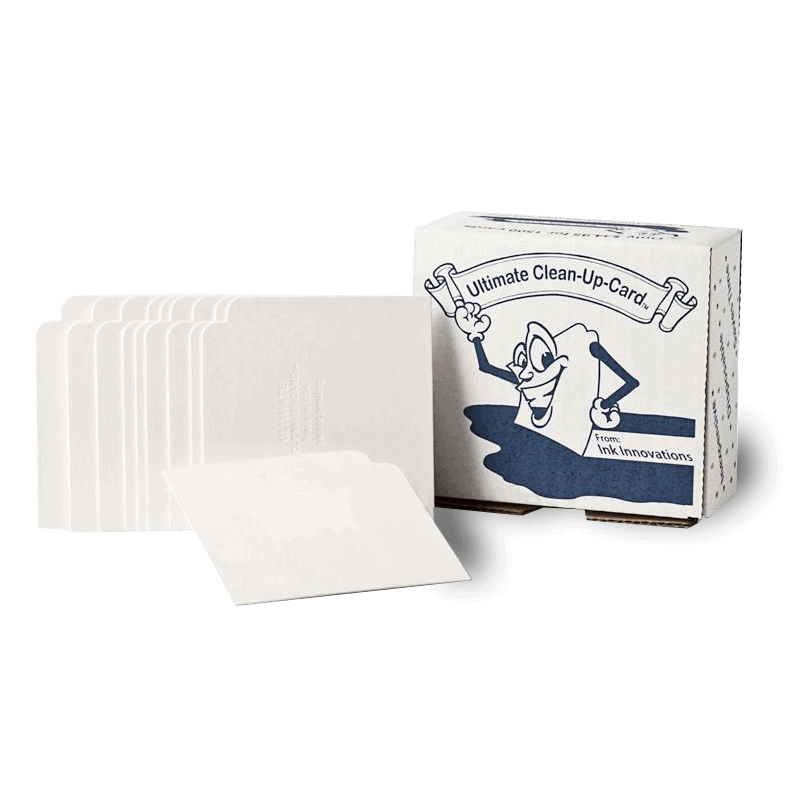
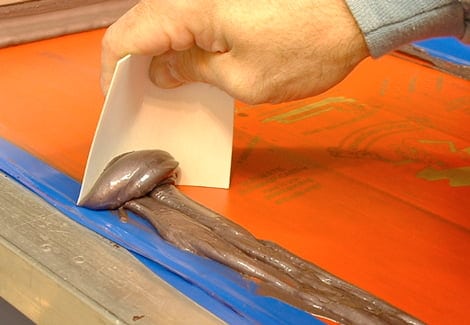
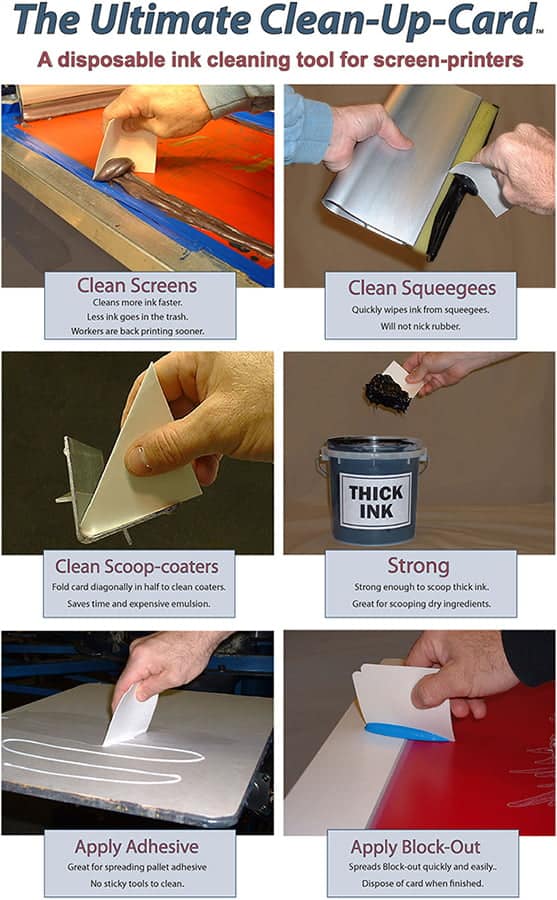
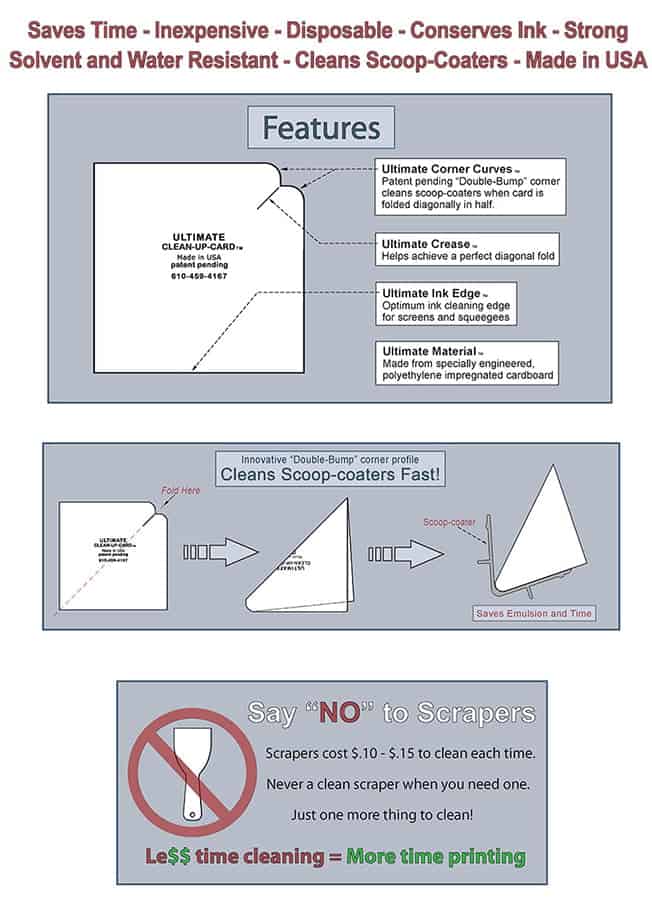
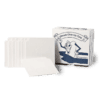
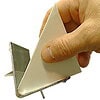
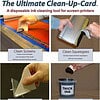
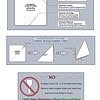
The Ink Innovations Ultimate Clean Up Card is the screen printing industry’s most-used disposable cleanup tool — trusted by shops nationwide to remove ink from screens, wipe squeegee blades clean, clear emulsion from scoop coaters, scoop ink from containers, apply block-out, and spread pallet adhesive. Made in the USA from polyethylene-coated solvent-resistant material, each card flexes to any surface, resists ink absorption, and costs just pennies — saving you ink, chemicals, towels, and time on every single job.
💰 The Math is Simple
A 1,500-card case costs less than a single gallon of ink remover — yet it’ll reduce your screen cleaning chemical, emulsion, shop towel, and glove use every single week. Shops running 20+ jobs a week typically save $50–$150/month in supply waste just by carding screens before cleanup.
Same-day shipping on orders before 3:30 PM CT · Free shipping on orders over $200 · In-store pickup in 1 hour (San Antonio)
Price range: $19.99 through $125.99
Description
The Screen Printing Cleanup Card That Does Everything
Screen printers discover the Ultimate Clean Up Card for one job — then realize it belongs at every press station, the coating room, the reclaim sink, and the ink room. This is the one shop tool that experienced printers refuse to go without. Here’s why every serious screen printing shop stocks these by the case.
What Makes This Card Different From Cardboard or Plastic
🛡️ Poly-Coated Solvent Resistance
Standard chipboard soaks up plastisol and creates crumbling “chuckies” — debris that contaminates your ink and mesh. The Ultimate Clean Up Card’s polyethylene coating is fully solvent-impregnated, so ink never soaks in. It wipes cleanly every time, even with heavy plastisol and solvent-based inks.
📐 Double-Bump Scored Edge Design
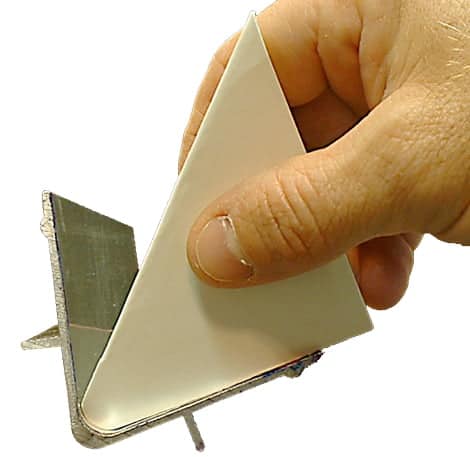
The engineered double-bump profile with a scored fold line is what separates this from every competitor. Fold the card diagonally and you get a trough profile that fits your emulsion scoop coater perfectly — pulling out every last drop of emulsion in one clean pass.
💪 Strong Enough to Scoop Thick Ink
Unlike thin disposable spatulas or flimsy cards, the Ultimate Clean Up Card is stiff enough to scoop heavy plastisol ink directly from quart and gallon containers — no bending, no frustration. Strong enough to handle even the thickest high-opacity whites and metallic inks.
How to Use the Ultimate Clean Up Card — Step by Step
Cleaning Ink from Screens — Curve and Wipe
After printing, hold the card with both hands and curve it slightly to match the screen frame. Drag from one edge to the other in a single firm stroke, pushing residual ink toward your flood bar side. Return this ink to the container. Do this before applying any ink remover or screen wash — you’ll use 30–50% less chemical per screen.
Cleaning Squeegee Blades — One Stroke Per Side
Hold the squeegee blade-up at a slight angle. Press the card flat against the blade and pull with firm pressure from handle to tip — strips excess ink in one pass. Flip the squeegee and repeat. This keeps your blades clean between colors and prevents cross-contamination on multi-color jobs.
Cleaning Emulsion Scoop Coaters — The Diagonal Fold Trick
This is the move that blows screen printers’ minds. Fold the card diagonally corner-to-corner. The resulting folded edge matches the inner trough profile of your scoop coater perfectly. Press the folded card into the trough, seat it firmly against both walls, and drag along the full length of the coater in one smooth pull. Every drop of remaining emulsion comes out clean — no drips on the floor, no waste, no dried emulsion building up in the corners of your coater.
Scooping Ink from Containers — No More Ink Knives
Use the card like a scoop to portion plastisol or water-based ink from quart and gallon containers directly to your screen. Stiff enough to handle high-opacity and specialty inks without bending. Disposable — skip washing an ink knife after every color. Also great for stirring in additives like reducers and retarders.
Applying Block-Out — Precision Edge Work
Dip the corner or flat edge of the card in block-out compound and apply to screen pinholes, edge bleeds, or tape-free border areas. The straight card edge gives you a cleaner, more precise application than a foam brush — especially useful for straight-line borders on large format screen frames.
Spreading Pallet Adhesive — Even Coat Every Time
Hold the card at a 30–45° angle to the platen and drag with medium pressure to spread water-based or spray pallet adhesive evenly. Creates a consistent, thin tack coat without ridges or thick spots that cause shirt misregistration. Disposable — no cleanup of the applicator between jobs or at end of day.
⚡ Pro Tips from Real Screen Printing Shops
Keep a Stack at Every Press Station
Tape a small bundle of 10–15 cards to the leg of every press. When cleanup time hits, the tool is already there — no trips to the supply shelf mid-run.
Card Water-Based Ink Immediately
Water-based and discharge inks set in mesh faster than plastisol. Card your screens within 60 seconds of finishing a run — you’ll dramatically reduce how hard your reclaim screen wash has to work.
Return Ink Before Reclaim — Every Time
Card ink back into the container before any solvent hits the screen. Even if it’s a small amount, specialty and mixing inks are expensive — you’ll recoup the cost of your cards in recovered ink alone within a week.
Use for Color Matching Spatula Work
When mixing custom ink formulas on a glass or mixing pad, cleanup cards make perfect disposable spatulas. Mix, test, discard — no cross-contamination between color batches.
Flood Bar Wipe Between Colors
On automatic presses, wipe flood bars between color changes with a quick swipe of the card. Prevents color contamination in subsequent screens without slowing down the production run.
Buy by the Case — Always
The 1,500 or 3,000-count case dramatically reduces your per-card cost and means you’ll never ration cards or skip the carding step on a short-run job. Stock them alongside your screen cleaning chemicals for a complete reclaim supply station.
Where These Cards Fit in Your Screen Reclaim Workflow
Skipping Step 2 means more chemical, more time at the sink, and more ink washed down the drain. That’s money. The card costs pennies and takes 10 seconds — it’s the highest-ROI step in your entire cleanup workflow.
Ultimate Clean Up Cards vs. Other Cleanup Methods
| Capability | ✅ Ultimate Clean Up Card | Cardboard | Plastic Scraper | Shop Rags |
|---|---|---|---|---|
| Cleans Ink from Screens | ✔ Excellent | ⚠ Leaves Chunkies | ✔ Good | ✘ Absorbs Ink |
| Cleans Squeegee Blades | ✔ One Stroke | ⚠ Gets Saturated | ✔ Yes | ⚠ Leaves Lint |
| Cleans Scoop Coaters | ✔ Diagonal Fold Trick | ✘ Too Soft | ✘ Wrong Profile | ✘ No |
| Applies Block-Out | ✔ Precise Edge | ⚠ Barely | ✘ Awkward | ✘ No |
| Spreads Pallet Adhesive | ✔ Even Coat | ✘ Too Flimsy | ✘ Too Rigid | ✘ No |
| Scoops Ink from Can | ✔ Stiff Enough | ✘ Collapses | ✔ Yes | ✘ No |
| Solvent Resistant | ✔ Fully Coated | ✘ Soaks Through | ✔ Yes | ✘ Absorbs Solvents |
| No Cleanup Needed After Use | ✔ Disposable | ✔ Disposable | ✘ Must Clean | ✘ Must Wash |
Which Pack Size Is Right for Your Shop?
📦 150-Card Pack — $19.99
For: New Shops, Trying for the First Time
Perfect starter size. Run a week’s worth of jobs and you’ll immediately understand why shops order these by the case. We’d be surprised if you don’t reorder the 1,500 immediately after.
🏆 1,500-Card Case — Best Value
For: Any Shop Running 5+ Jobs Per Week
The sweet spot. Lasts months in a small shop, weeks in a busy one. Low enough per-card cost that you’ll never think twice about using one — which is how you actually save money and time.
🏭 3,000-Card Case — Maximum Savings
For: High-Volume Shops, Multi-Press Operations
Production facilities running automatic presses all day go through cards fast. Stock a case at each press station and the reclaim area — you’ll never run out or skip the carding step under deadline pressure.
Build Your Complete Reclaim System at River City Supply
The Ultimate Clean Up Card is Step 1. Pair it with these essentials from River City Supply for a complete, efficient screen reclaim workflow.
🧪 Screen Cleaning Chemicals
Ink removers, emulsion removers, degreasers, and haze removers. Use after carding screens for faster, lower-chemical cleanup.
🟦 Chromaline, Murakami & Saati Emulsions
SBQ, dual-cure, diazo, and photopolymer emulsions. The diagonal card fold recovers every drop from your scoop coater.
🔪 Squeegees & Blades
All durometers, all widths, replacement blades. Card blades clean between colors — extends blade life.
🖼️ Screens, Frames & Mesh
Aluminum, wood, pre-stretched, and bare mesh. Proper carding keeps mesh open and extends screen life.
🎨 Screen Printing Inks
Plastisol, water-based, discharge & specialty. Card ink back into the can — stop throwing money away.
Questions? (512) 454-0505 · [email protected] · Same-day shipping before 3:30 PM CT · Free shipping over $200
Technical Specifications
Technical Specifications — Ink Innovations Ultimate Clean Up Cards
SKU: II UCC · Manufactured in the USA by Ink Innovations LLC
| Card Material | Polyethylene-coated, solvent-impregnated engineered cardboard — prevents ink absorption and chemical breakdown |
| Design Feature | Double-bump profile with scored fold edge — enables diagonal fold for precise scoop-coater cleaning profile |
| Card Surfaces | Dual-sided — smooth wipe surface for ink; textured scrape surface for dried emulsion and residue |
| Chemical Resistance | Fully solvent resistant and water resistant — holds up against ink solvents, mineral spirits, and screen washes without degrading |
| Ink Compatibility | Plastisol, water-based, discharge, HSA, UV-cure, and solvent-based inks |
| Pack Sizes Available | 150 cards | 1,500 cards | 3,000 cards |
| Price Range | $19.99 – $125.99 |
| Primary Applications | Screen ink carding, squeegee blade cleaning, scoop coater cleanup, ink scooping from containers, block-out application, pallet adhesive spreading, flood bar wiping, color mixing spatula |
| Press Compatibility | Manual presses, automatic presses — all screen sizes and mesh counts |
| Manufacturer | Ink Innovations LLC — Made in the USA |
| Shipping | Same-day shipping when ordered before 3:30 PM CT. Free shipping on orders over $200. |
Technical Sheets / Safety Data Sheets / Documents
FREQUENTLY ASKED QUESTIONS
What are screen printing cleanup cards used for?
Screen printing cleanup cards like the Ink Innovations Ultimate Clean Up Card are multi-purpose shop tools used to remove ink from screens, clean squeegee blades, clear emulsion from scoop coaters, scoop ink from containers, apply block-out to screens, and spread pallet adhesive. A single card replaces plastic scrapers, cardboard, and shop rags across all of these tasks — at a fraction of the cost and with zero cleanup required after use.
How do you clean a scoop coater with a cleanup card?
Fold the cleanup card diagonally corner-to-corner. The resulting folded edge matches the inner trough profile of most emulsion scoop coaters perfectly. Press the folded card into the trough, seat it firmly against both inner walls, and drag along the full length of the coater in one smooth stroke. This pulls excess screen printing emulsion out cleanly — recovering material that would otherwise dry inside the coater and go to waste.
What ink types work with these cleanup cards?
The Ultimate Clean Up Cards work with all screen printing ink types including plastisol, water-based, discharge, HSA (high-solids acrylic), UV-cure, and solvent-based inks. The polyethylene coating is fully solvent-resistant, so the card holds up without breaking down regardless of your ink system.
Are the Ink Innovations cleanup cards reusable or disposable?
Designed as disposable single-use tools — which is one of their biggest advantages. They cost just pennies each, so there’s no reason to spend time washing and drying cleanup tools between jobs. You card your screen, wipe your squeegee, toss the card. Many printers get multiple wipes from one card during a single job, but the cards are intended to be discarded at the end of each cleanup cycle. The disposable design eliminates the time cost of cleaning reusable plastic scrapers.
How much do screen printing cleanup cards save a shop?
Shops that consistently card screens before applying ink remover or screen cleaning chemicals typically report 30–50% reduction in chemical use per screen, significant recovery of specialty and mixing inks, and far fewer shop towels and gloves burned through per week. For a shop running 20+ jobs per week, this often translates to $50–$150/month in supply savings — many times the cost of a full case of cards.
Why are these better than cardboard or chipboard for ink cleanup?
Standard cardboard and chipboard absorb ink and solvents, causing them to break down and leave debris — the infamous “plastisol chuckies” — in your ink and on your mesh. The Ultimate Clean Up Card uses a polyethylene-coated material that resists ink absorption entirely. Ink wipes clean off the card surface, the card holds up under solvent exposure, and it won’t contaminate your expensive ink supply with cardboard fibers.
Can I use these on an automatic screen printing press?
Yes — the Ultimate Clean Up Cards work on both manual and automatic screen printing presses. On automatic presses they’re especially useful for wiping flood bars between color changes, cleaning squeegee blades quickly during production runs, and carding large-format screens efficiently before taking them to the reclaim sink. High-volume shops typically keep stacks at every press head station.
What size pack should I order?
We carry three sizes: 150-card packs for shops trying the cards for the first time; 1,500-card cases for shops running 5+ jobs per week (most popular — best value per card); and 3,000-card cases for high-volume or multi-press production operations that need a consistent supply at every station. Once you try them, you’ll order by the case — that’s universal among shops that use these cards.
How fast does River City Supply ship the Ultimate Clean Up Cards?
Orders placed before 3:30 PM Central Time ship the same business day from our San Antonio, TX warehouse. Shops across Texas and the South typically receive orders within 1–2 business days via UPS Ground. Orders over $200 ship free — easy to hit when stocking up on screen cleaning chemicals, emulsion, or ink alongside your cards. San Antonio area customers can pick up in-store within 1 hour on in-stock items.
Have a question not answered here?
Our screen printing supply experts are ready to help. | (512) 454-0505 | [email protected]
Reviews
Only logged in customers who have purchased this product may leave a review.
You May Also Like
Related products
-

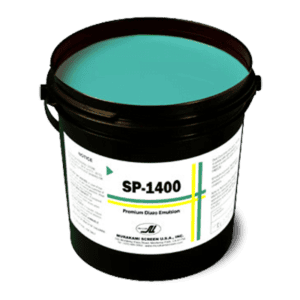
Murakami SP 1400 Diazo Screen Printing Emulsion – Durable, High-Resolution Emulsion for Water-Based, Discharge, HSA & Plastisol Inks
Price range: $24.99 through $2,003.75 -
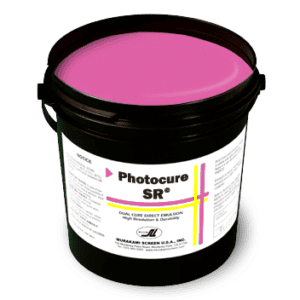
Murakami Photocure SR Screen Printing Emulsion – High-Resolution Photopolymer Emulsion for Solvent, UV & Plastisol Inks
Price range: $85.75 through $3,710.00 -
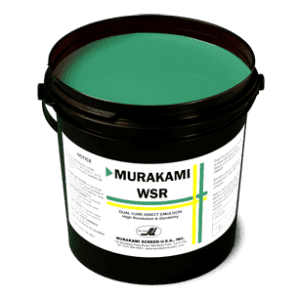
Murakami WSR Dual Cure Screen Printing Emulsion – High-Solids Dual Cure Emulsion for Water-Based, Discharge, HSA & Plastisol Inks
Price range: $34.99 through $3,500.00 -
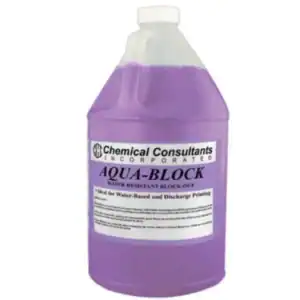
CCI Aqua-Block Water-Resistant Blockout – Durable Blockout for Water-Based & Plastisol Screen Printing
Price range: $24.99 through $1,136.40
Reviews