Green Blockout Pen – Pinhole Filler for Plastisol Screen Printing
First Print Inc.
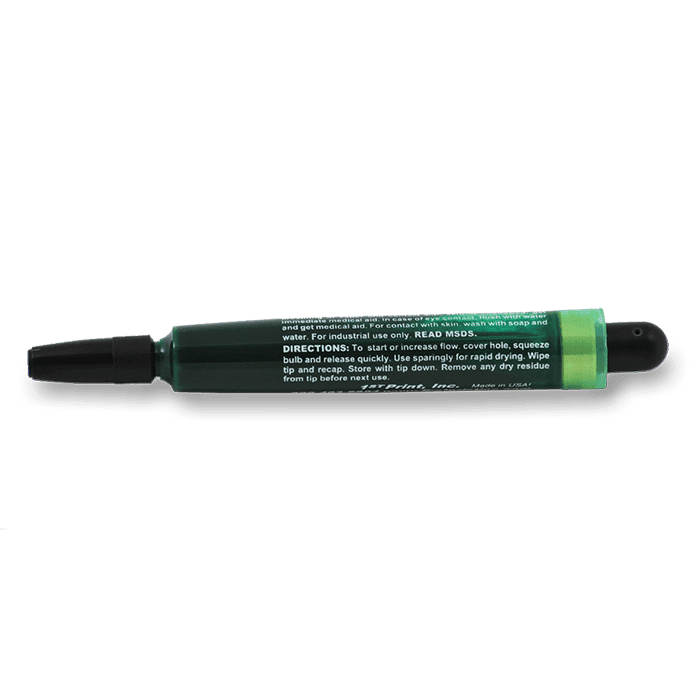
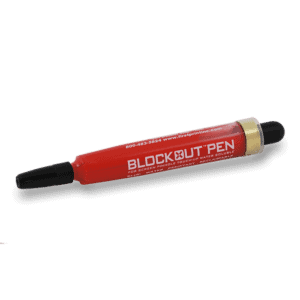
The Green Blockout Pen is the everyday go-to for plastisol screen printing shops. Fine-tip precision lets you fill pinholes, cover small voids, and fix problem areas directly on the screen — fast. The formula is specifically designed to hold up under plastisol ink chemistry, so it won’t break down mid-run. Dry time is approximately 60 seconds, screens are print-ready in minutes, and it reclaims cleanly with your standard emulsion remover.
$14.99
Description
Stop Pinholes Before They Hit the Press.
The Green Blockout Pen is your last line of defense between a great screen and a ruined garment. Built for plastisol ink environments, this fine-tip pen fills pinholes fast and removes clean during reclaiming — no scrubbing, no residue.
Key Features
✒️
Fine-Tip Precision
Targets pinholes as small as a mesh opening without bleeding into surrounding emulsion or image areas. Perfect for detail touch-ups close to design edges.
🟢
Formulated for Plastisol
Chemistry matched to plastisol ink environments — creates a barrier that holds up under the viscosity and press pressure of plastisol printing.
⚡
Fast-Drying
Dries in minutes at the prep table, keeping your workflow moving without long waits before going to press.
♻️
Easy Reclaim Cleanup
Removes easily with standard screen cleaning chemicals during reclaiming. No stubborn residue, no extra scrubbing step required.
How to Use
Expose and wash out the screen normally. Allow to dry completely before applying blockout — wet emulsion will prevent proper adhesion.
Hold the screen up to a light source. Pinholes and open areas appear as bright spots against the emulsion — mark or note their locations.
Gently shake the blockout pen to ensure even flow before use.
Hold the pen like a regular pen. Touch the tip lightly to each pinhole and trace with gentle, even pressure until fully covered. Do not press hard enough to damage mesh.
Let the blockout dry completely before printing — typically a few minutes. Drying time varies with humidity and temperature.
Re-inspect under light after drying. If any pinholes appear thin or incomplete, apply a second coat.
The screen is ready for press. Blockout removes during standard reclaiming without scrubbing.
Wipe the tip clean with a dry cloth after use and replace the cap to prevent drying.
Also Available: Blue & Red Blockout Pens
Blue Blockout Pen
Optimized for water-based inks. Also works with plastisol. Best choice for shops running water-based or discharge ink systems.
Red Blockout Pen
Formulated for solvent and UV inks. Strong blockout barrier for aggressive ink systems.
📄 Safety Data Sheet (SDS)
SDS available upon request. (512) 454-0505 or [email protected]
Ready to Order?
Order before 3:30 PM CT for same-day shipping. Free shipping on orders $200+.
Which Blockout Pen Do I Need?
All three pens use the same fine-tip applicator and fast-dry formula — the difference is the chemistry. Match the pen to your ink system for the best adhesion and durability under production conditions.
| Feature |  Green Blockout Pen Green Blockout PenMost Popular ← This Pen |  Blue Blockout Pen Blue Blockout PenWB Ink Shops | 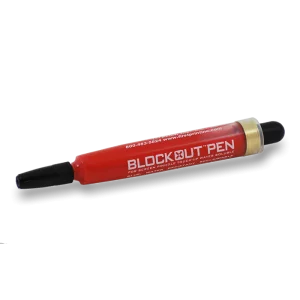 Red Blockout Pen Red Blockout PenUV & Solvent |
|---|---|---|---|
| Best For | Plastisol inks | Water-based & discharge | UV & solvent inks |
| Tip Style | Fine-tip precision | Fine-tip precision | Fine-tip precision |
| Formula | Plastisol-resistant | WB-compatible | Solvent & UV-resistant |
| Dry Time | ~60 seconds | ~60 seconds | ~60 seconds |
| Ink Types | Plastisol | Water-Based, Discharge, HSA | UV, Solvent, Industrial |
| Reclaimable | Yes | Yes | Yes |
| Ideal Use Case | Everyday go-to for plastisol shops | WB/discharge shops where green fails | Specialty UV & solvent shops |
| Order Now | Order Now | Order Now |
How to Use a Blockout Pen
Step 1 — Find the Pinhole
Hold the screen up to a light source to locate pinholes, thin spots, or damaged areas. Mark them if needed before moving to the light table or press.
Step 2 — Shake & Prime
Shake the pen well. Press the tip firmly on a scrap surface until ink flows. This primes the tip and prevents dry spots during application.
Step 3 — Apply on the Squeegee Side
Apply blockout to the squeegee (ink) side of the screen. Use a single controlled stroke to cover the pinhole. Apply from the inside out for clean edges.
Step 4 — Let Dry
Allow the blockout to dry fully before printing — approximately 60 seconds at room temperature. You can use a heat gun on low to speed drying in production.
Step 5 — Test Before Running
Pull a test print on scrap before running production. Verify the treated area is fully blocked and no ink bleeds through the repaired spot.
⚠️ Use the Right Pen for Your Ink
Using the green pen with water-based inks or the blue pen with plastisol can cause the blockout to break down mid-run. Match the pen chemistry to your ink system.
💧 Apply on the Squeegee Side Only
Always apply blockout from the ink (squeegee) side of the screen, not the substrate side. This fills pinholes properly and keeps the print surface clean.
💡 Cap the Pen After Every Use
Always recap tightly after use. Leaving the pen uncapped dries out the tip quickly and dramatically shortens the pen’s usable life.
🧹 Blockouts Are Reclaimable
All three blockout pens are removable during standard screen reclaim. No special chemistry needed — your normal emulsion remover handles it.
📏 Large Voids Need Liquid Blockout
Blockout pens are best for small pinholes and thin spots. For larger open areas or tape-off sections, use a liquid blockout like Murakami 901, 905, or CCI Red Coat.
🛒 When Do You Need Liquid Blockout Instead?
Blockout pens are perfect for small pinholes and touch-ups. For larger areas, tape-offs, or full edge-sealing, liquid blockout gives better coverage and a thicker barrier. River City Supply stocks the full range:
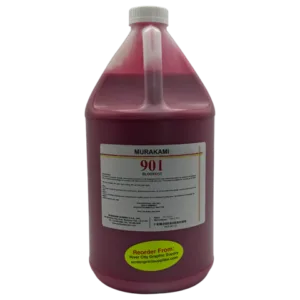 Murakami 901 RedWater-based liquid blockout for plastisol & water-based inks. Brush-on formula for large areas & edge sealing.
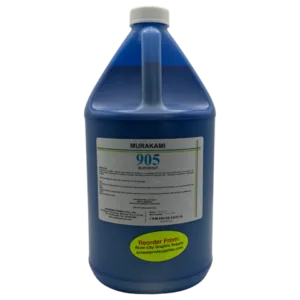 Murakami 905 BlueBlue water-based blockout — excellent opacity for full tape-off coverage and larger void filling.
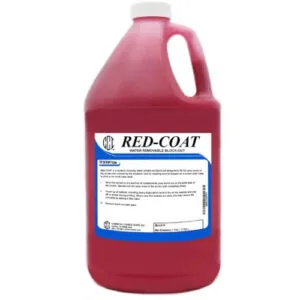 CCI Red CoatCCI’s premium red liquid blockout — fast drying, high opacity, compatible with plastisol and water-based inks.
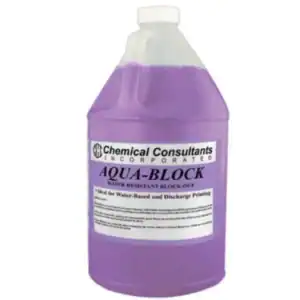 CCI Aqua BlockWater-resistant liquid blockout ideal for water-based ink environments where standard blockouts fail.
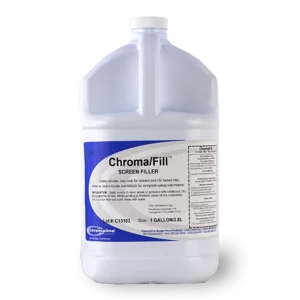 Chromaline ChromafillChromaline’s professional liquid blockout — excellent adhesion and opacity for demanding production environments.
🏆 Why Order from River City Supply?
📦 Deep Inventory
Full selection of blockout pens and liquid blockouts in stock year-round — no waiting on backorders.
🚚 Same-Day Shipping
In-stock orders placed before 3:30 PM CT ship the same day from San Antonio, TX.
🌡️ San Antonio Advantage
South Texas location means less freeze risk than northern warehouses — chemicals ship safely year-round.
🎁 Free Shipping Over $200
Free ground shipping on all orders over $200. Stock multiple pen colors and save on delivery.
Technical Specifications
| Specification | Detail |
|---|---|
| Product Type | Blockout Pen |
| Primary Ink System | Plastisol inks |
| Tip Type | Fine-tip marker-style applicator |
| Color | Green |
| Form | Single pen |
| Drying Time | Fast — minutes at room temperature |
| Reclaim Removal | Standard screen cleaning chemicals |
| Brand | First Print Inc. |
| SKU | FPI Blockout Pen Green |
Questions? (512) 454-0505 or [email protected]
Technical Sheets / Safety Data Sheets / Documents
FREQUENTLY ASKED QUESTIONS
Common questions about the Green Blockout Pen:
Is the Green Blockout Pen only for plastisol inks?
It is formulated specifically for plastisol ink screen printing. For water-based inks, the Blue Blockout Pen is the correct choice. For solvent and UV inks, the Red Blockout Pen is recommended.
Can I use it on any mesh count?
Yes. The fine-tip applicator works on all standard screen printing mesh counts. Apply with light, even pressure — excessive force can push the tip through fine mesh.
How long do I need to wait before printing?
Allow the blockout to dry completely before going to press — typically a few minutes. Drying time varies with ambient humidity and temperature.
Does it leave residue during reclaiming?
No. It removes cleanly with standard screen cleaning chemicals during your normal reclaim process without requiring extra scrubbing.
What is the shelf life?
Store capped in a cool, dry location away from direct sunlight. Contact us for specific shelf life information.
Ready to order? Same-day shipping before 3:30 PM CT.
Reviews
Only logged in customers who have purchased this product may leave a review.
You May Also Like
Related products
-

Expert 3000 PSI Spot Removal Gun – Powerful Removal of Cured Plastisol Inks
$239.99 -
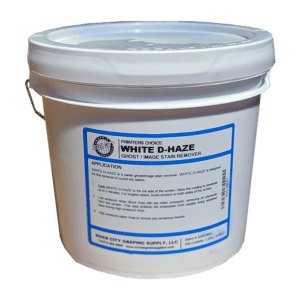
Printers Choice White D-Haze Remover – Powerful Ghost and Stain Remover for Screen Printing
Price range: $29.99 through $349.95 -
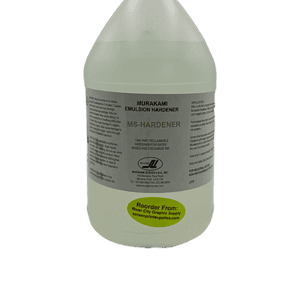
Murakami MS Emulsion Reclaimable Hardener – Post-Exposure Stencil Hardener for Screen Printing
$49.99 -
Red Blockout Pen – Pinhole & Touch-Up Pen for Solvent and UV Screen Printing
$14.99

Reviews