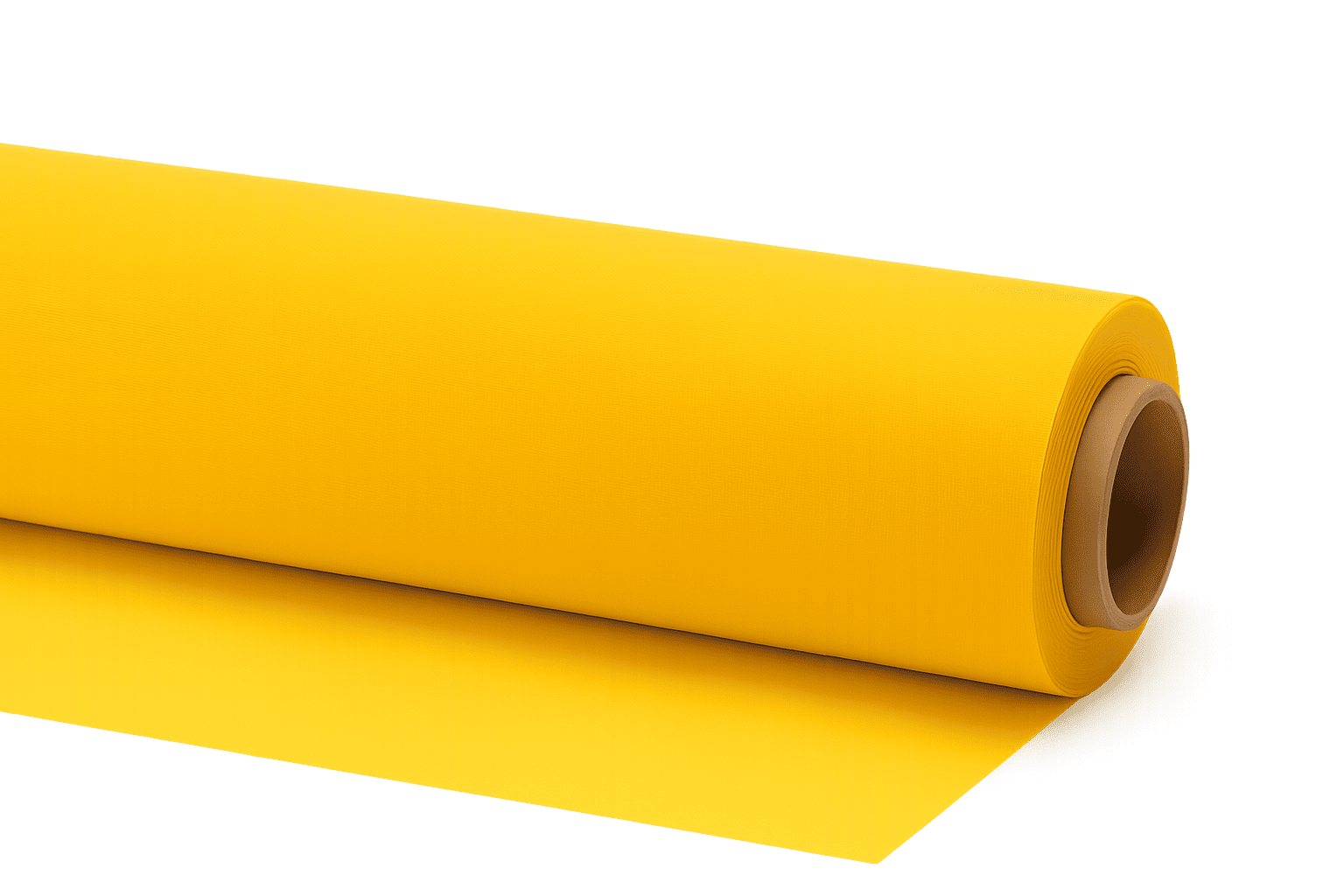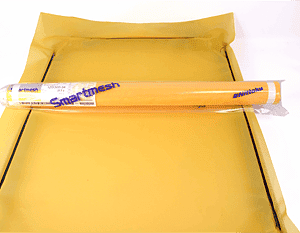
Saati Hitex Plus 60″ Screen Printing Mesh – High Tension, Low Elongation Fabric (30 Yard Bolt)

Saati
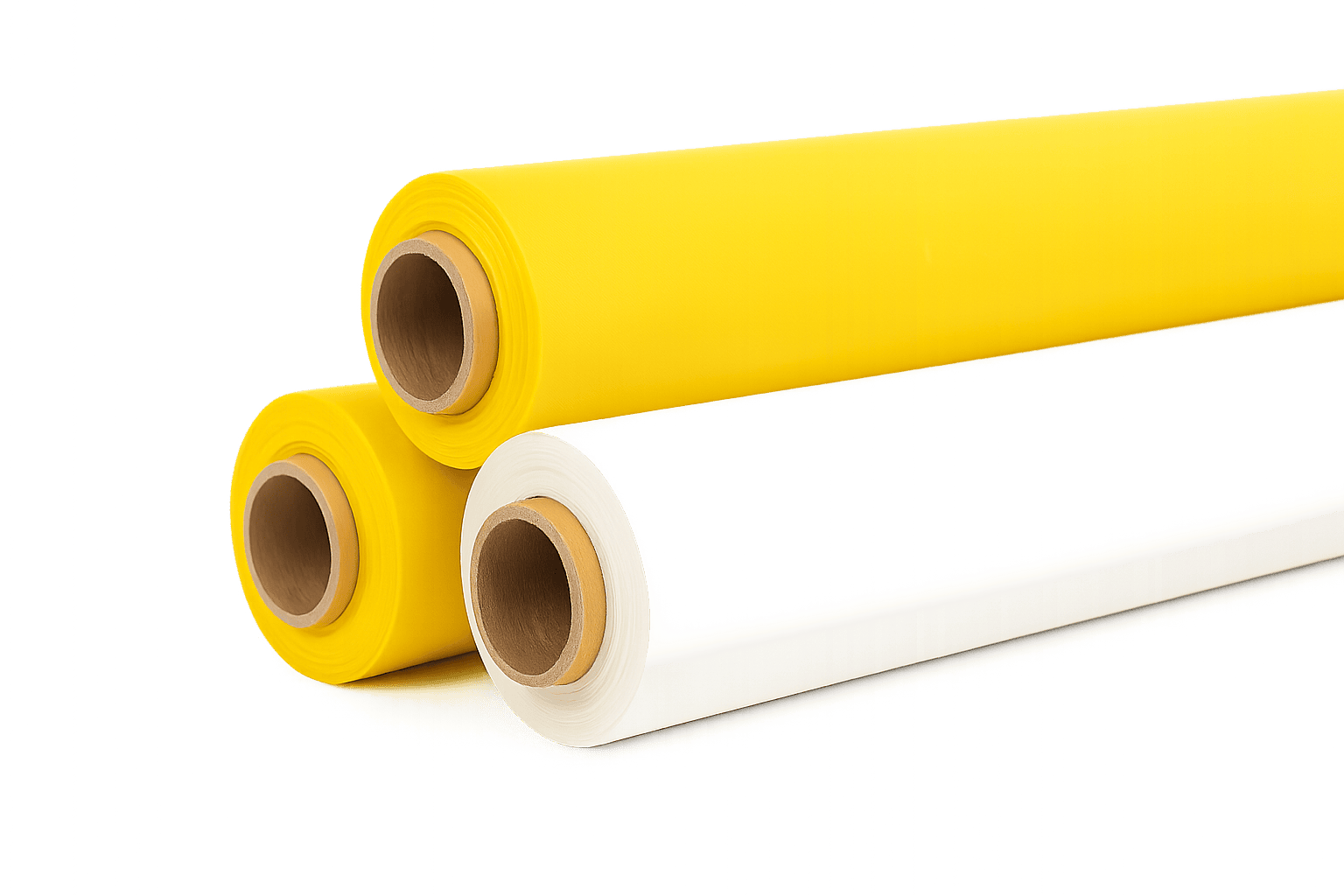
Saati Hitex Plus 60″ Screen Printing Mesh is a premium high-tension, low-elongation monofilament polyester fabric that reaches and holds higher tension with minimal stretch — for sharper registration, cleaner detail and more consistent ink deposit, print after print. Sold as a 60″ × 30-yard bolt in 8 mesh counts from 86 to 305.

High tension, low elongation
Holds tension, stabilizes fast
60″ × 30-yard bolt
Wide fabric for any frame
8 mesh counts (86–305)
Underbase to 4-color process
Works with all inks
Plastisol, WB, discharge, UV
★ Pair it with a tension meter and tension to spec — that is where the real print quality comes from.
Not sure which mesh count you need? See the tension & mesh guides below, or call 512-454-0505.

Price range: $250.41 through $941.78

Description

Saati Hitex Plus 60″ Screen Printing Mesh — High Tension, Low Elongation

Saati Hitex Plus is a high-modulus, low-elongation monofilament polyester mesh built for printers who care about registration and detail. Its low-stretch construction lets you tension higher and, just as importantly, hold that tension — so screens stabilize quickly, stay consistent across a set, and lay down an even, repeatable ink film. It runs beautifully with plastisol, water-based, discharge, solvent and UV inks, and comes as a 60″ × 30-yard bolt in eight mesh counts, from a 86 underbase mesh to a 305 for fine halftones and 4-color process.

Watch: Mesh, Tension & Why It Matters

Why Proper Mesh Tension Matters

Tension is the single biggest factor in print quality that printers most often overlook. Correct, consistent tension gives you:

Sharp registration

Even tension across a set of screens keeps colors lined up — essential for spot color, simulated process and 4-color work.

Consistent ink deposit

Higher, stable tension shears the ink cleanly and lays an even film, so prints match from the first shirt to the last.

Controlled dot gain

Proper tension with lower off-contact holds halftone dots crisp and keeps process work from muddying up.

Faster, cleaner printing

Good tension clears in one stroke with less flooding, and reduces ghosting, streaking and mesh marks — fewer misprints and re-dos.

Longer screen life

Hitex Plus’s low elongation means less stretch and stress, so screens hold up longer and drift less between jobs.

Measure it, do not guess

You cannot control what you do not measure. A tension meter is the only way to tension every screen to spec and match a set.
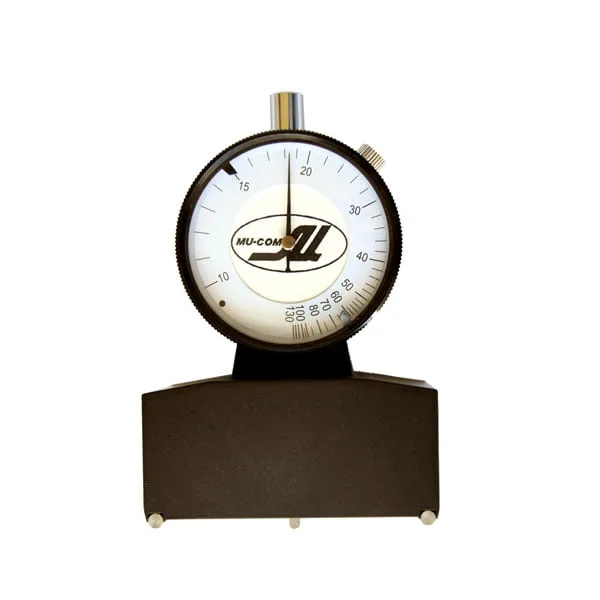
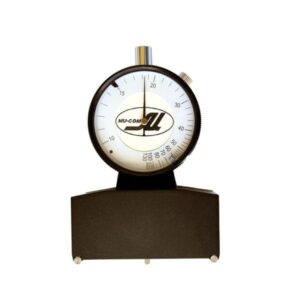
Murakami Tension Meter

Tension to spec with a tension meter

The Murakami Tension Meter reads up to 60 N/cm and lets you tension every screen to the same number, so registration holds and prints stay consistent. Tension in stages, let the mesh rest, then re-tension — and log it. Hitex Plus reaches target tension fast and holds it.

Shop the Murakami Tension Meter

Recommended Tension Range by Mesh Count

These are recommended working tensions for the Hitex Plus counts we stock. Tension gradually in stages and let the mesh rest between passes; Hitex Plus can safely hold the higher end of each range thanks to its low elongation.

Mesh CountThreadMesh ColorRecommended TensionBest For
86/100100 µmWhite28–35 N/cmWhite underbase, bold graphics, athletic numbers
110/8080 µmWhite28–34 N/cmGeneral spot-color plastisol, underbases
125/7070 µmYellow26–32 N/cmEveryday workhorse for spot colors
158/6464 µmYellow24–30 N/cmDetail work, water-based & discharge on cotton
196/5555 µmYellow24–30 N/cmFine detail and halftones
230/4848 µmYellow22–30 N/cmHigh-res graphics, simulated & 4-color process
305/3434 µmYellow22–28 N/cmVery fine detail, process, UV & graphics
305/4040 µmYellow22–28 N/cmSharp halftones & process with a touch more ink
Keep a set matched. For multi-color and process jobs, tension every screen in the set to the same number — consistent tension across screens is what keeps colors in register.

Which Mesh Count Should I Use?

As a rule of thumb, lower mesh counts lay down more ink for bold, opaque prints; higher counts hold finer detail with a thinner, softer deposit. Here is a quick starting guide:

Application / InkRecommended Mesh Count
White underbase & bold, high-opacity prints86 – 110
General spot-color plastisol110 – 160
Soft-hand prints / printing over an underbase200 – 305 (with a harder squeegee)
Water-based & discharge inks158 – 230
Fine detail, thin lines & halftones196 – 305
Simulated process & 4-color process (CMYK)230 – 305
Metallic inksup to 230
Shimmer inks86 – 110

Doing 4-color process?

Reach for 230–305 (the 305/34 and 305/40 yellow meshes). Yellow mesh reduces light scatter during exposure for sharper dots, and higher tension keeps CMYK halftones clean and in register.

Printing a white underbase?

Use 86–110 to push a bright, opaque base, then print your top colors on higher mesh (200–305) for a soft, detailed finish.

Getting the Most From Hitex Plus

  • Tension in stages — bring it up gradually rather than all at once.
  • Let the mesh rest 20–30 minutes, then re-tension; low-elongation mesh settles fast and holds.
  • Tension every screen in a color set to the same reading for dead-on registration.
  • Choose yellow mesh (125 and up) for detail and process work — it sharpens exposure.
  • Store finished screens flat and out of direct sunlight, and log each screen’s tension.

Why Buy From River City Supply?

Real screen printers. Real support. Genuine Saati mesh.


Real printers on staff
Not sure which mesh or tension to run? We print every day and are glad to help. Call (512) 454-0505.


Genuine Saati fabric
Authentic Saati Hitex Plus mesh, cut from full bolts.


Everything to build screens
Mesh, frames, emulsion, tension meters and tools — all in one place.


Support after the sale
Family-run and here Monday–Friday, 9–5, long after your order ships.

Technical Specifications

Saati Hitex Plus 60″ Mesh – Specifications

BrandSaati
ProductSaatilene Hitex Plus mesh
MaterialHigh-modulus, low-elongation monofilament polyester
Width60″ (152 cm)
Length30-yard bolt
Mesh counts86/100, 110/80, 125/70, 158/64, 196/55, 230/48, 305/34, 305/40
Mesh colorWhite (86–110) · Yellow (125 and up)
Recommended tensionSee the tension chart in the description (approx. 22–35 N/cm by count)
ElongationLow — reaches and holds high tension with minimal stretch
Compatible inksPlastisol, water-based, discharge, solvent and UV
Best forSpot color, simulated process, 4-color process, halftones, underbases
Pairs withA tension meter, screen frames, emulsion and degreaser
Tension to spec. Recommended tensions are working ranges; always tension gradually and confirm with a tension meter.

Technical Sheets / Safety Data Sheets / Documents

FREQUENTLY ASKED QUESTIONS

Saati Hitex Plus Mesh – Frequently Asked Questions

What is Hitex Plus and why “high tension”?
Hitex Plus is a high-modulus, low-elongation monofilament polyester mesh. Low elongation means it stretches less, so it reaches higher tension and holds it. Higher, more stable tension gives sharper registration, cleaner detail and a more consistent ink deposit.
How is it sold, and how wide is it?
It ships as a 60″ (152 cm) wide fabric on a 30-yard bolt. Choose your mesh count on the product page; one bolt covers a lot of screens.
What mesh count should I use?
Lower counts (86–110) for underbases and bold, opaque prints; 110–160 for general spot color; 158–230 for water-based and discharge; and 230–305 for fine detail, halftones and 4-color process. See the full mesh guide in the description.
What tension should I tension it to?
Roughly 22–35 N/cm depending on mesh count — see the tension chart. Tension gradually in stages, let the mesh rest, re-tension, and match every screen in a set. Always confirm with a tension meter.
Do I really need a tension meter?
Yes, if you want consistent results. Tensioning by feel is guesswork; a tension meter lets you hit the same number every time and keep a color set in register.
Why is some mesh white and some yellow?
Lower counts are white; higher counts (125 and up) are dyed yellow. Yellow mesh reduces light scatter during exposure, so it holds finer detail and halftone dots — ideal for process work.
Which inks work with it?
All the common ones: plastisol, water-based, discharge, solvent and UV. Match the mesh count to the ink and detail level for best results.

Why Buy From River City Supply?

Real screen printers. Real support. Genuine Saati mesh.

Call (512) 454-0505

Reviews

Reviews

    Only logged in customers who have purchased this product may leave a review.
    You May Also Like

    Additional Options