Saati Duralife 60/90/60 Triple Durometer Urethane Squeegee Blade – Versatile Screen Printing Squeegee Material
Saati
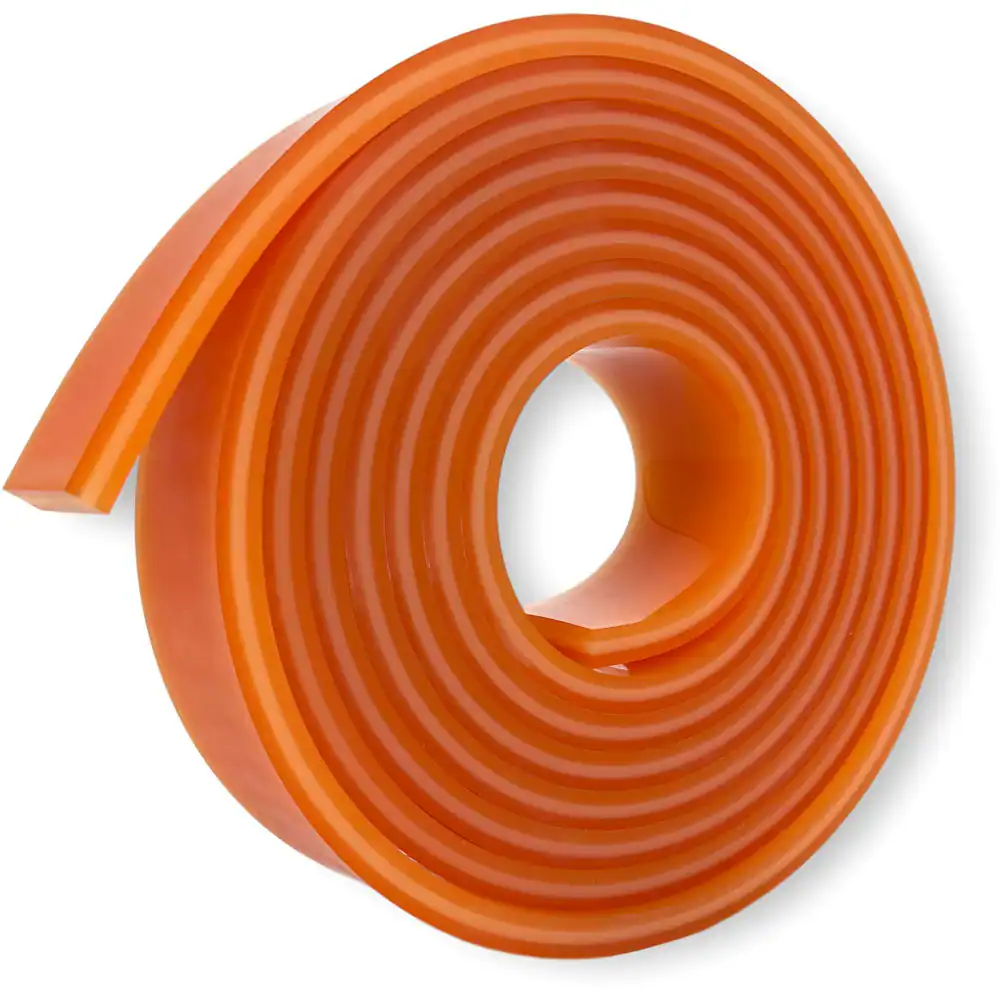
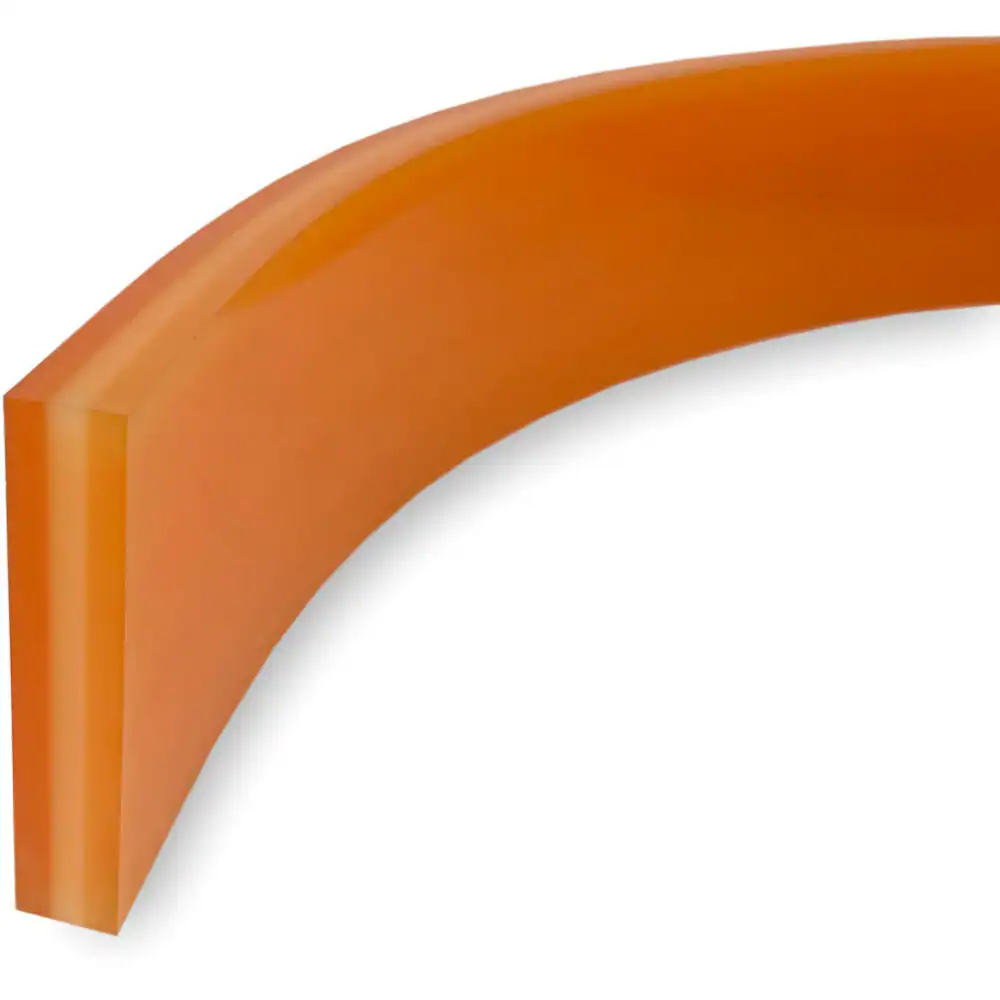
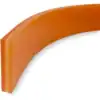
Saati Duralife 60/90/60 Triple Durometer Urethane Squeegee Blade — three-layer urethane blade with 60 duro outer printing surfaces and a 90 duro rigid core. Maximum Ink Deposit with Rigidity — Triple Durometer Roll for Heavy Printing. The soft outer layers (60 shore A) deliver maximum fabric conformance and ink deposit. The hard center core (90 shore A) resists bowing across wide screens for consistent pressure end-to-end. Saati Duralife urethane — chemical resistant, sharpenable. $190.08 (144″ roll).
$190.08
Description
Saati Duralife 60/90/60 Triple Durometer — Anti-Bow Urethane Squeegee Blade
The 60/90/60 triple combines the maximum ink deposit of a 60 durometer outer surface with the rigidity and consistency of a 90 durometer center core. It is the highest-deposit triple durometer option — the blade for shops that need heavy plastisol underbase printing, simulated process thick deposits, puff inks, and other applications where maximum ink volume through the mesh is the priority, but blade bowing across wide screens is a problem. Sold as a 144-inch roll for shops that cut their own blades to size.
How Triple Durometer Works
60 duro outer layers — the softest standard printing edge. Maximum conformance to mesh and substrate, maximum ink deposit per stroke.
90 duro core — prevents the bowing that a soft single-durometer 60 blade would exhibit across wide screens, delivering consistent deposit from edge to edge.
Key Features
See It in Action: Understanding Squeegee Durometer
📐 Understanding Squeegee Durometer
Durometer is the Shore A hardness rating of the squeegee blade — a standardized measurement of how stiff or flexible the blade material is. It directly determines how much ink passes through the mesh and the sharpness of the printed edge.
Full Durometer Selection Guide
| Durometer | Feel | Best For | Product |
|---|---|---|---|
| 60 | Soft | Textile printing: thick inks, heavy garment textures, low mesh counts (60–110). Simulated process printing on textured surfaces. Maximum ink deposit. | 60 Duro Blade |
| 70 | Medium | General garment printing: plastisol and water-based on flat textiles, standard mesh (110–200). The most versatile durometer — the starting point for most shops. | 70 Duro Blade |
| 80 | Hard | High mesh / fine detail: halftones, process printing, 4-color process, fine line work, high mesh counts (200–305+). Less ink deposit, sharper edge definition. | 80 Duro Blade |
| 70/90/70 | Triple | Best of both worlds: soft outer layers (70) grip the fabric and conform to the mesh — hard center core (90) provides rigidity without fatigue. Most popular triple for general garment printing. | 70/90/70 Triple |
| 60/90/60 ← This Product | Triple | Maximum ink deposit with rigidity: softest outer layers (60) for maximum conformance and ink transfer — hard center (90) for blade stability. Heavy ink deposit jobs, thick plastisol, specialty inks. | This product |
🔬 Why Urethane? Saati Duralife vs. Standard Rubber
- Resistant to plastisol, water-based, and discharge inks
- Resistant to solvents and screen cleaning chemicals
- Maintains consistent durometer across the blade lifespan
- Holds a sharper edge longer between sharpenings
- Lower abrasion wear on emulsion stencils
- Can swell or soften when exposed to solvents
- Durometer drifts over time as rubber degrades
- Loses edge sharpness faster
- Lower cost upfront, but higher replacement frequency
🔧 Squeegee Blade Care & Sharpening
- Clean blades immediately after printing — dried ink hardens on urethane and requires more aggressive cleaning, which accelerates edge wear.
- Store blades edge-up or hanging — never lay a squeegee flat with blade down. The edge deforms under the handle weight over time.
- Sharpen regularly — a dull blade requires more pressure to shear ink through the mesh, which increases mesh wear, stencil wear, and wrist fatigue. Sharpen when you notice ink deposit becoming uneven or edges ragged.
- Inspect for nicks and flat spots — a nicked blade leaves streaks and uneven ink deposit. Sharpen past the nick or replace the blade section.
- Use a squeegee sharpener or lap grinder — hand sharpening on sandpaper creates uneven bevels. A dedicated sharpener produces a consistent edge across the full blade length.
All Squeegees & Blades at River City Supply
| Product | Format | Best For |
|---|---|---|
| Saati 60 Duro Blade | Blade only — sold per inch from 144″ roll | Soft — max ink deposit, textures |
| Saati 70 Duro Blade | Blade only — sold per inch from 144″ roll | Medium — general purpose |
| Saati 80 Duro Blade | Blade only — sold per inch from 144″ roll | Hard — fine detail, halftones |
| Saati 70/90/70 Triple | Blade only — sold per inch from 144″ roll | Triple — versatile with rigidity |
| Saati 60/90/60 Triple Roll | 144″ roll | Triple — max deposit + rigid core |
| Saati Duralife Roll | 144″ roll | Bulk blade stock |
| Nortech Wood Handle 70 Duro | Complete squeegee | Made in USA, general printing |
| Custom Wood Handle Squeegee | Any size | Custom width + durometer |
| Ergo-Force Handle | Ergonomic handle | Reduces fatigue, precision control |
| Squeegee Rack (8-slot) | Accessory | Stores 8 squeegees, wall-mount |
Technical Specifications
| Specification | Detail |
|---|---|
| Product | Saati Duralife 60/90/60 Triple Durometer Urethane Squeegee Blade |
| Brand | Saati — Duralife Series |
| Durometer | 60/90/60 (Triple Layer: 60 Shore A outer / 90 Shore A core / 60 Shore A outer) |
| Material | Urethane — all three layers (not rubber) |
| Format | 144-inch roll (12 feet) |
| Edge Profile | Square edge — standard screen printing squeegee profile |
| Ink Compatibility | Plastisol, water-based, discharge, UV, solvent-based inks |
| Chemical Resistance | Resistant to solvents, plastisol, water-based chemistry, screen cleaning chemicals |
| Sharpenable | Yes — sharpen the outer urethane layer with standard squeegee sharpeners |
| Anti-Bow Benefit | Hard 90 duro core resists blade bowing across wide screens — more consistent deposit edge-to-edge |
| Best For | Heavy plastisol underbase printing, simulated process work with thick ink deposit requirements, specialty inks, low mesh printing on wide format screens. Shops that cut their own blades from roll stock. |
Technical Sheets / Safety Data Sheets / Documents
FREQUENTLY ASKED QUESTIONS
Reviews
Only logged in customers who have purchased this product may leave a review.
You May Also Like
Related products
-

Saati Duralife 70 Durometer Urethane Squeegee Blade – Versatile Screen Printing Squeegee Material
Price range: $1.00 through $99.99 -
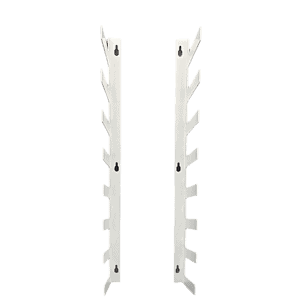
Screen Printing Squeegee Rack – Holds 8 Squeegees for Organized Storage & Easy Access
$44.99 -
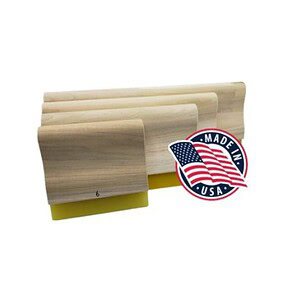
Nortech Wood Handle Squeegee with 70 Durometer Blade – Made in the USA
Price range: $6.50 through $29.99 -
Custom Squeegee with Wood Handle
$2.20

Reviews