Saati Hi-Dro ECO Panel 23″×31″ (6-Pack) – Thin Thread Plasma-Treated Mesh for Water-Based, Discharge & Halftone Screen Printing
Nortech
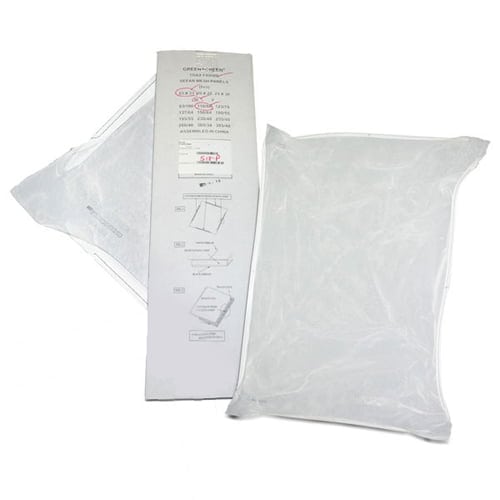
The Saati Hi-Dro ECO Panel 23″×31″ (6-Pack) is the thin-thread, plasma-treated screen printing mesh that experienced printers reach for when print quality is non-negotiable. Engineered with a smaller thread diameter than standard mesh at the same mesh count, Hi-Dro opens up significantly more print area — allowing water-based, discharge, and plastisol inks to flow more freely, release more completely from the screen, and land on fabric as a brighter, softer deposit. Each panel snaps directly into your Nortech ECO Frame 23″×31″ using the locking strip system — no adhesive, no press, no wait. Available in six mesh counts from 110 to 305 in white and yellow.
📦 What’s Included
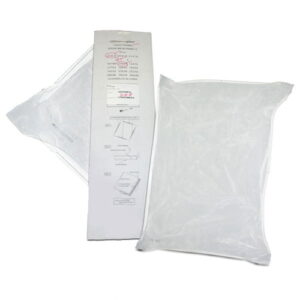
Six (6) Saati Hi-Dro mesh panels sized 23″×31″, each pre-woven into a plastic locking strip for direct installation into the Nortech ECO Frame 23″×31″. Mesh count and color selected at time of purchase. You also need the Nortech ECO Stretching Tool to install panels — sold separately.
⚠️ Drop Ship Item: Ships directly from Nortech Graphics in Arkansas. Shipping times vary. Questions? Contact us at [email protected] or at (512) 454-0505.
Ships direct from Nortech · Free shipping on orders over $200 · (512) 454-0505
Price range: $88.99 through $157.47
Description
Why Thin Thread Changes Everything About Your Print
Most screen printers understand mesh count. Fewer understand the hidden variable that actually determines how much ink reaches your substrate — thread diameter. Saati Hi-Dro solves for thread diameter by engineering a thinner filament at the same mesh count as standard mesh. The result is a mathematically larger open area, freer ink flow, lower squeegee pressure requirements, and a print quality ceiling that standard mesh simply cannot reach. This isn’t a marginal upgrade. It’s a different category of mesh.
🎬 See the Nortech ECO Frame Panel System in Action
Watch how these Hi-Dro panels snap into the Nortech ECO Frame using the locking strip system — no adhesive, no press, under 2 minutes.
The Science of Thin Thread — What Actually Changes
📐 Wider Mesh Openings at the Same Mesh Count
When thread diameter decreases, the open space between threads increases — even when the number of threads per inch stays the same. A 157 Hi-Dro panel has a thread diameter of 48 µm and a mesh opening of 109 µm, giving 46% open area. A standard 158 Hi-Tex has a thread diameter of 64 µm with significantly less open space. More opening = more ink pathway = more ink on the shirt per stroke.
🖨️ Ink Releases More Completely from the Screen
Ink doesn’t just flow through the screen — it has to release from the mesh threads on the snap-off. Thinner threads have a smaller surface area in contact with the ink, which means they release the ink more readily when the screen snaps away from the substrate. Less ink sticks to the mesh. More ink lands on the garment. This translates directly to brighter, more opaque prints at lower squeegee pressure.
🎯 Smaller Thread = Better Halftone Geometry
On standard mesh, threads are thick enough to physically clip or obstruct fine halftone dots during exposure and printing. Thinner Hi-Dro threads have a smaller chance of intersecting with fine dots — enabling better dot resolution, higher achievable LPI, and sharper tonal gradients in simulated process and 4-color work. The yellow Hi-Dro variants compound this by blocking light reflection through the threads during exposure.
Lower Squeegee Pressure — The Chain Reaction That Improves Everything
Because Hi-Dro’s wider openings allow ink to clear the screen more easily, you simply don’t need to bear down as hard with the squeegee. That one change — less pressure — triggers a chain reaction of print quality improvements:
Ink Stays on Top of Fabric
Less pressure means less ink is forced into the shirt fibers. Instead it sits on top — creating a brighter, more vivid, and softer-to-the-touch print.
Reduced Mesh Wear
Excess squeegee pressure is the number one cause of premature mesh fatigue. Printing at the correct lower pressure with Hi-Dro extends the life of your panels significantly.
Less Misprinting Pressure Variance
On manual presses especially, inconsistent squeegee pressure causes print-to-print variation. Hi-Dro’s lower threshold means the sweet spot is wider and easier to hit consistently.
Faster Printing Speeds
When ink clears the screen easier, you don’t need slow double-strokes to force it through. Cleaner single-stroke printing at production speeds with less effort.
Saati’s Plasma Treatment — What It Is and Why It Matters
Saati is the only mesh supplier in the world that manufactures both the mesh fabric and the chemical products for screen printing — giving them a unique ability to engineer their mesh surface specifically for stencil chemistry. The Hi-Dro plasma treatment uses DBD technology (Dielectric Barrier Discharge) — an ionized electrical discharge that permanently modifies the polyester thread surface at a molecular level. The result is a surface that behaves fundamentally differently from untreated mesh.
✅ No Degreasing Required
Standard mesh must be abraded and degreased before every use to remove manufacturing oils and promote emulsion adhesion. Hi-Dro’s plasma treatment eliminates this step entirely — coat it straight from the panel stack. That’s real time saved at scale.
✅ Superior Stencil Adhesion
The plasma-modified surface creates stronger molecular bonding between the photopolymer emulsion and the mesh threads — resulting in significantly less stencil breakdown on press, even on long runs. Edges stay crisp. Details hold.
✅ Excellent Antistatic Properties
Static buildup on standard mesh causes ink to bead, mist, and transfer unevenly — especially in dry environments. Hi-Dro’s plasma treatment delivers excellent antistatic properties that reduce these issues and promote smoother, more consistent ink transfer from stroke to stroke.
✅ Water-Based Inks Stay Open Longer
The treated surface is less prone to water-based inks drying in the screen during production pauses. This directly reduces the frustration of blocked screens and mid-run print quality drops — especially in climate-controlled shops.
🟨 Why Yellow Mesh — And When to Use It
Many screen printers assume yellow mesh is purely aesthetic. It isn’t. The yellow pigmentation in Hi-Dro mesh serves a specific optical function during screen exposure — and it directly impacts your stencil quality.
⬜ White Mesh — Light Transmission
White threads allow UV light to scatter and reflect through the mesh during exposure. This can cause light to creep under fine halftone dots and stencil edges — slightly undercutting fine details and causing some dot gain. Best for large solid areas and bold designs where maximum light energy is beneficial.
🟨 Yellow Mesh — Light Absorption
Yellow threads absorb the UV wavelengths that cause internal reflection and scattering. This keeps the light path clean and direct — exposing only what the film positive allows. The result is sharper stencil edge definition, better halftone dot integrity, and the ability to run higher LPIs (typically 40–55+ LPI with appropriate emulsion) without dot loss.
The rule: Use white mesh for general work, solid spot colors, and underbases. Use yellow mesh for halftone printing, simulated process, 4-color process, and any job where stencil edge sharpness and dot resolution are the priority.
Saati Hi-Dro vs. Saati Hi-Tex — Full Comparison
Both are Saati mesh products. Both are available as ECO Frame panels. The difference is fundamental — and understanding it will help you stock the right mesh for every job.
| Feature / Factor | 💧 Saati Hi-Dro (Thin Thread) | 🔴 Saati Hi-Tex (Standard Thread) |
|---|---|---|
| Thread Diameter (157/158 count) | 48 µm — Thinner | 64 µm — Thicker |
| Mesh Opening (157/158 count) | 109 µm — Wider | ~83 µm — Narrower |
| Open Area Percentage | 46% — More Open | ~38% — Less Open |
| Ink Flow / Transfer | ✔ Superior — freer flow, cleaner release | Good — proven reliable |
| Squeegee Pressure Required | ✔ Lower — ink clears more easily | Higher — needs more force to clear |
| Print Feel on Garment | ✔ Softer hand, brighter color | Standard hand — heavier deposit |
| Halftone Performance | ✔ Excellent — less dot clipping | ⚠ Good — thicker threads can clip fine dots |
| Water-Based Ink Suitability | ✔ Purpose-built — gold standard | ⚠ Works — needs degreasing first |
| Plastisol Ink Suitability | ✔ Yes — increasingly preferred for underbases | ✔ Yes — industry workhorse for decades |
| Plasma Surface Treatment | ✔ Yes — DBD treated, ready to coat | ✘ No — must degrease before use |
| Stencil Adhesion Quality | ✔ Superior — plasma-bonded | Good — requires proper degreasing |
| Tear Resistance | ⚠ Handle with care — thinner = more fragile | ✔ More durable — thicker threads resist ripping |
| Best Use Cases | Water-based, discharge, halftones, simulated process, soft-hand plastisol | High-volume plastisol, heavy underbases, specialty thick inks |
| Who Should Use It | Shops prioritizing print quality, soft hand, and detail work | High-volume shops maximizing durability and throughput |
The bottom line: These are not competing products — they solve different problems. Most high-performance shops stock both. Hi-Dro handles your fine work and water-based printing. Hi-Tex handles your high-volume plastisol production. The ECO Frame panel system makes it affordable and practical to keep both in rotation.
Why Hi-Dro Is Taking Over Plastisol Shops Too
For years, Hi-Dro was considered a water-based specialist mesh. That’s changing. Over the last several years, more plastisol shops have been switching Hi-Dro for their underbase and production printing — and the reasoning is straightforward.
Softer, Brighter Underbases
A plastisol white underbase on 110 Hi-Dro lays down on top of the fabric rather than driving into the fibers. The result is a thinner, more flexible, brighter foundation that the top colors pop off of more vividly than they would over a heavy pushed-in underbase.
Less Ink Consumption Per Print
Because ink releases more completely from Hi-Dro mesh, less stays behind in the screen between strokes. For specialty inks like reflective, metallic, and simulated process colors, this translates to meaningful ink savings over a production run.
Crisper Details in Plastisol
When running tighter halftone work in plastisol, the thread geometry of Hi-Dro gives you better dot resolution and cleaner edges than standard mesh at the same count — which directly impacts the quality ceiling of your simulated process and photographic-style work.
Hi-Dro Mesh Count Selection Guide — 23″×31″ ECO Panels
All six mesh counts below are available as 23×31 ECO panels at River City Supply. Each includes exact thread diameter, mesh opening, open area percentage, and theoretical ink deposit so you can match the mesh to the job with precision.
| Mesh Count | Color | Thread Dia. | Mesh Opening | Open Area | Ink Deposit | Best For |
|---|---|---|---|---|---|---|
| 110 Hi-Dro | ⬜ White | 64 µm | 167 µm | ~60% | High | Discharge whites, heavy water-based deposits, thick specialty inks |
| 157 Hi-Dro | ⬜ White | 48 µm | 109 µm | 46% | Medium-High | General spot colors, all-around water-based, general plastisol production |
| 157 Hi-Dro | 🟨 Yellow | 48 µm | 109 µm | 46% | Medium-High | Best all-around Hi-Dro. Halftones, simulated process, reduced undercutting — runs 40–55+ LPI |
| 198 Hi-Dro | 🟨 Yellow | 40 µm | 85 µm | 44% | Medium | Fine detail work, light ink deposits, photographic simulated process |
| 230 Hi-Dro | 🟨 Yellow | 40 µm | 68 µm | 38% | Low-Med | High-detail halftones, 4-color process, index printing, fine-line artwork |
| 305 Hi-Dro | 🟨 Yellow | 31 µm | 52 µm | ~36% | Low | Ultra-fine detail, photographic work, maximum dot resolution — handle with extra care |
⚠️ Important: Thin Thread Requires Careful Handling
Hi-Dro’s thinner thread diameter is what gives it superior print performance — and it is also inherently more fragile than standard mesh. The finer threads are more susceptible to ripping from sharp objects, excessive squeegee pressure on the wrong count, or rough handling during installation. Always use the Nortech Stretching Tool for installation, verify tension with the tension meter, and handle panels with care. The trade-off in durability is well worth the print quality improvement — just respect the mesh.
Everything You Need for the Complete ECO Frame Setup
These Hi-Dro panels install in the Nortech ECO Frame using the locking strip system. Here’s everything else you need.
🖼️ Nortech ECO Frame 23″×31″ →
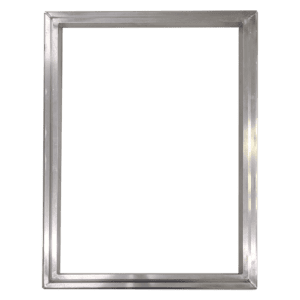
The retensionable aluminum frame these panels are cut for. Locking strip system — no adhesive required. Fully welded, dip tank safe, and 100% recyclable.
🔧 Nortech ECO Stretching Tool →
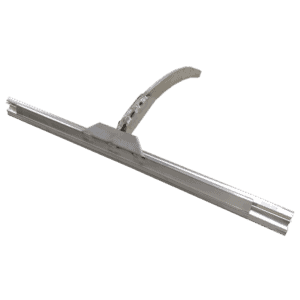
Required for panel installation. Seats the locking strip into the frame channel and applies even tension across all four sides. Do not install panels without this tool.
Especially important with Hi-Dro thin thread — verify tension in Newtons/cm after every panel install. Consistent tension = consistent halftone dot gain and registration.
🟦 Chromaline, Murakami & Saati Emulsions →
Hi-Dro’s plasma treatment gives superior emulsion adhesion. No degreasing step needed — coat directly onto fresh panels. Shop SBQ, dual-cure, and diazo options.
Plastisol, water-based, discharge, and HSA inks. Hi-Dro is purpose-built for water-based and discharge, but prints beautifully with plastisol at the right mesh count.
Ink removers, emulsion removers, and degreasers — all compatible with the no-adhesive ECO Frame system. Clean screens without worrying about adhesive delamination.
(512) 454-0505 · [email protected] · Same-day shipping before 3:30 PM CT · Free shipping over $200
Technical Specifications
Technical Specifications — Saati Hi-Dro ECO Panel 23″×31″ (6-Pack)
Manufacturer: Saati · Drop Ship via Nortech Graphics, Arkansas
| Mesh Type | Saati Hi-Dro — high modulus, low elongation monofilament polyester with proprietary plasma surface treatment (DBD technology) |
| Frame Compatibility | Nortech ECO Frame 23″×31″ only — locking strip system, no adhesive |
| Pack Quantity | 6 panels per pack |
| Available Mesh Counts | 110 (White) · 157 (White) · 157 (Yellow) · 198 (Yellow) · 230 (Yellow) · 305 (Yellow) |
| Thread Diameter Range | 31 µm (305 count) to 64 µm (110 count) — thinner than Hi-Tex at same mesh count |
| Surface Treatment | Proprietary plasma treatment (DBD — Dielectric Barrier Discharge) — permanent surface modification, no degreasing required before coating |
| Degreasing Required | No — plasma treatment replaces the degreasing pre-treatment step; coat directly after installation |
| Ink Compatibility | Water-based, discharge, HSA, and plastisol inks — purpose-built for water-based; increasingly used for plastisol |
| Emulsion Compatibility | SBQ photopolymer, dual-cure, and diazo emulsions — plasma treatment provides superior stencil adhesion vs untreated mesh |
| Required Tool | Nortech ECO Frame Stretching Tool (sold separately — required for panel installation) |
| Tension Verification | Nortech Tension Meter (sold separately — especially important with thin thread mesh) |
| Recyclability | 100% recyclable — panels and ECO Frame aluminum are fully recyclable; no adhesive contamination |
| Handling Note | Thin thread is more fragile than standard mesh — handle with care, avoid sharp objects, use correct squeegee pressure for the mesh count |
| Shipping Note | Drop ship — ships direct from Nortech Graphics. Times vary. Nortech: 800-743-6473 · River City Supply: (512) 454-0505 |
Technical Sheets / Safety Data Sheets / Documents
FREQUENTLY ASKED QUESTIONS
What is Saati Hi-Dro mesh and how is it different from standard mesh?
Saati Hi-Dro is a thin-thread screen printing mesh engineered with a smaller thread diameter than standard mesh at the same mesh count. The thinner threads create wider mesh openings and a higher open area percentage — allowing ink to flow more freely, release more completely, and land on fabric as a brighter, softer deposit. Hi-Dro also carries Saati’s proprietary plasma surface treatment — meaning better stencil adhesion and no degreasing step required.
What is the benefit of thin thread mesh in screen printing?
Thin thread mesh triggers a chain reaction of improvements: wider openings mean less squeegee pressure is needed, less pressure means ink stays on top of the fabric instead of being forced into the fibers, and more ink on top means brighter, more opaque, softer-hand prints. Additionally, thinner threads have smaller contact with ink so it releases more completely on snap-off, and the smaller thread profile causes less interference with fine halftone dots during exposure and printing — giving you better dot resolution and higher achievable LPI.
What is Saati’s plasma treatment and why does it matter?
Saati’s plasma treatment uses DBD technology (Dielectric Barrier Discharge) — an ionized discharge that permanently modifies the polyester thread surface at a molecular level. This delivers four real-world benefits: no degreasing required before coating with emulsion, superior stencil adhesion for longer print runs, excellent antistatic properties for smoother ink transfer, and less tendency for water-based inks to dry in the screen. Saati is the only mesh manufacturer in the world to offer this technology.
What is the difference between Hi-Dro and Hi-Tex mesh?
Hi-Dro is thin-thread, plasma-treated mesh built for maximum ink transfer, fine detail, halftone work, and water-based inks. Hi-Tex is standard-thread mesh — the plastisol industry workhorse — with thicker threads that resist tearing better under heavy production pressure. Hi-Tex requires degreasing before use. Most high-performance shops stock both: Hi-Dro for quality-critical and water-based work, Hi-Tex for high-volume plastisol production runs.
Why should I use yellow Hi-Dro mesh instead of white?
Yellow threads absorb UV wavelengths during screen exposure, preventing the light scattering that causes undercut edges and dot gain on fine halftones. White threads allow UV to reflect through the mesh — which is fine for bold solid designs but can compromise detail work. Use yellow Hi-Dro for halftone printing, simulated process, 4-color process, and any job where stencil edge sharpness and dot resolution are priority. Use white Hi-Dro for solid spot colors, general water-based, and heavy-deposit work.
Can Hi-Dro mesh be used for plastisol screen printing?
Yes — and this is increasingly common in high-quality shops. Plastisol on Hi-Dro sits on top of the fabric rather than being driven into the fibers, creating brighter, softer-hand prints. Less ink waste per print cycle is also a meaningful benefit for specialty inks. For halftone and simulated process plastisol work, Hi-Dro’s thread geometry gives you better dot resolution than standard mesh at the same count.
Which Hi-Dro mesh count should I use?
110 White — heavy deposits, discharge whites. 157 White — general spot colors, all-around water-based and plastisol. 157 Yellow — the most popular all-around Hi-Dro count, excellent for halftones and water-based, runs 40–55+ LPI. 198 Yellow — finer detail, lighter deposits, photographic sim process. 230 Yellow — high-detail halftones, 4-color process, fine-line work. 305 Yellow — ultra-fine detail, photographic resolution, handle with extra care. Not sure? Call us at (512) 454-0505.
Is Hi-Dro mesh more fragile than standard mesh?
Yes — thinner threads are inherently more delicate. Handle panels with care, avoid sharp objects, use the Nortech Stretching Tool for installation, and verify tension with the tension meter rather than estimating. Use correct squeegee pressure for the count — do not bear down hard. The print quality benefit is significant and worth the extra care required.
Do I need to degrease Hi-Dro mesh before coating with emulsion?
No. Saati Hi-Dro’s plasma treatment eliminates the degreasing pre-treatment step. You can coat Hi-Dro panels directly with emulsion immediately after installation in your ECO Frame — no intermediate step. Standard Hi-Tex mesh does not carry this treatment and must be properly degreased and prepared before every use.
What frame and tools do I need with these panels?
These panels fit the Nortech ECO Frame 23″×31″. You need the Nortech ECO Stretching Tool to install them — it is required, not optional. The Nortech Tension Meter is highly recommended, especially with thin thread mesh where tension consistency directly impacts halftone accuracy and registration.
Questions about mesh count selection or the Hi-Dro system?
Our screen printing experts are here to help. | (512) 454-0505 | [email protected]
Reviews
Only logged in customers who have purchased this product may leave a review.
You May Also Like
Related products
-

Nortech ECO Frame Stretching Tool – Required Installation Tool for ECO Frame & ECO HD Frame
Price range: $34.99 through $80.00 -
Nortech ECO HD Frame 25″×36″ with Four Locking Strips – Large Format Retensionable Screen Printing Frame for Production Auto Press Shops
$91.99 -
Saati Hi-Tex ECO Panel 23″×31″ (6-Pack) – Standard Thread Screen Printing Mesh for High-Volume Plastisol Production
Price range: $113.70 through $339.37 -
Saati Hi-Tex ECO Panel 20″×24″ (6-Pack) – Standard Thread Screen Printing Mesh for Manual Press High-Volume Plastisol Production
Price range: $103.89 through $251.68
Reviews